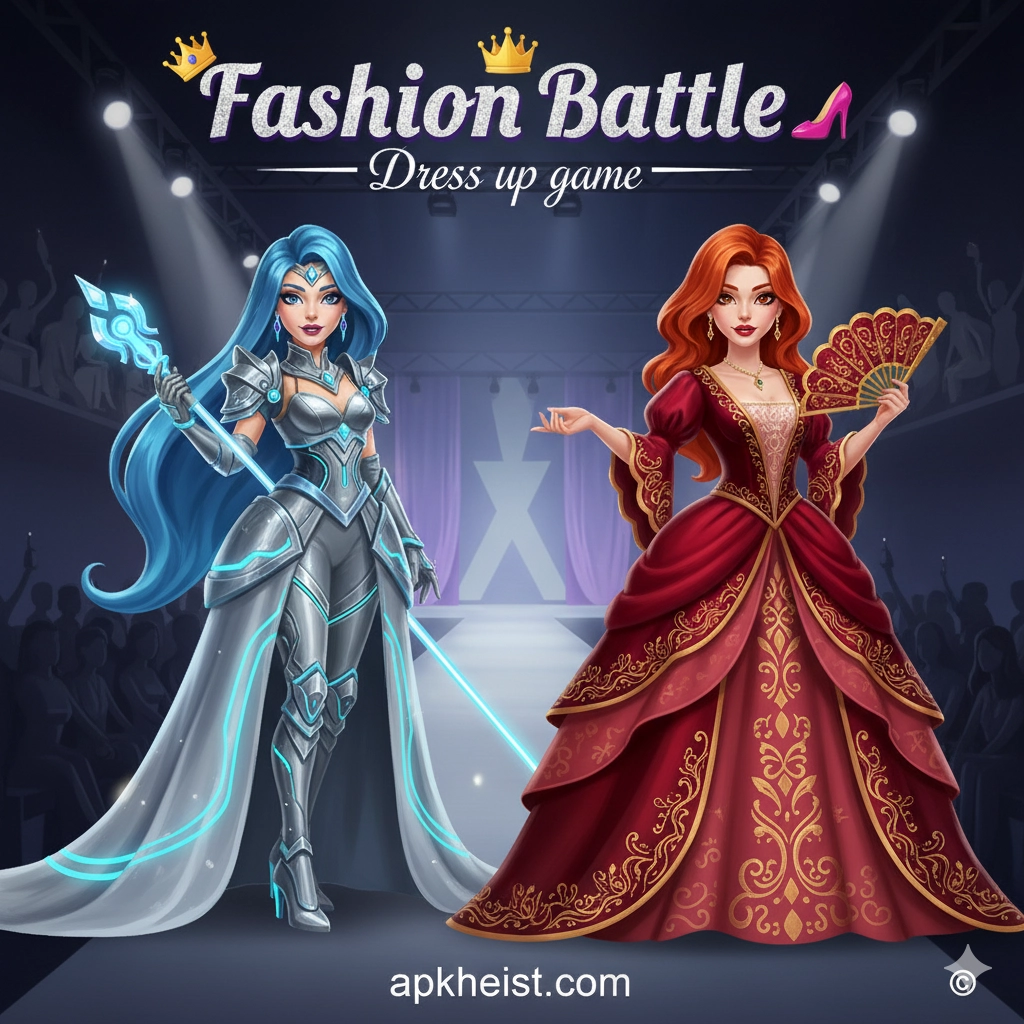
In this comprehensive guide to Fashion Battle - Dress up game, we'll walk you through core mechanics, styling strategies, wardrobe management, and competitive tips to consistently win shows. Whether you're a casual player experimenting with color blocking or a ranked competitor optimizing meta looks, this article provides practical advice and inspiration. For related gameplay guides and broader mobile game strategy, see resources like Hustle Castle Game — Complete Guide and community genre pages such as Adventure and Casual.
1. Choosing Your Signature Style — Identify a consistent aesthetic that matches the game's judging criteria.
2. Building a Balanced Wardrobe — Essentials, statement pieces, and matching accessories for every theme.
3. Understanding Judging Metrics — How color, theme adherence, and originality influence scores.
4. Event Preparation and Resource Management — Scheduling, item upgrades, and currency optimization.
5. Advanced Styling Techniques — Layering, proportion, and silhouette manipulation to stand out.
6. Competing in Ranked Matches — Matchmaking, meta-read strategies, and streak management.
7. Monetization Ethics and Fair Play — When to spend, when to save, and avoiding pay-to-win pitfalls.
1. Choosing Your Signature Style
Establishing a signature style is the foundation of long-term success in Fashion Battle - Dress up game. Start by surveying the available wardrobe and identifying motifs that recur in high-scoring outfits—vintage glamour, streetwear edge, pastel kawaii, or avant-garde couture. A signature style helps in three ways: it speeds outfit assembly, it builds a recognizable profile among judges and other players, and it allows you to invest selectively in pieces that raise the ceiling of your looks.
To select effectively, create mini-collections around one or two color palettes and one strong silhouette. Track which combinations win in themed events and refine your aesthetic accordingly. Cross-reference inspiration from other mobile game guides—players often apply strategic thinking from different genres; for broader gaming strategy patterns, consult pieces like MARVEL Puzzle Quest: Match RPG Game.
2. Building a Balanced Wardrobe
A balanced wardrobe in Fashion Battle is not about quantity but strategic variety. Each player should maintain: core basics (neutrals, simple tops and bottoms), theme-specialized sets (e.g., promwear, beachwear, business attire), a few statement pieces (dramatic coats, ornate gowns), and a rich set of accessories (hats, jewelry, shoes, bags). Prioritize items that are versatile across multiple themes and invest in upgrade paths for pieces that appear often in event prompts.
Organize your inventory with folders or tags if the game allows it, and periodically purge duplicates unless they offer different rarity or bonus stats. For ideas on resource allocation that translate across genres, review strategic economy guides like Modern Warfare: Elite Forces articles which emphasize prioritizing upgrades with the highest marginal benefit.
3. Understanding Judging Metrics
The judging system in Fashion Battle typically evaluates outfits on theme relevance, color harmony, creativity, and presentation. Theme relevance often carries the largest weight—read event prompts carefully and interpret them with a mix of literal and stylistic approaches. Color harmony is judged both for palette cohesion and contrast; use a dominant-secondary-accents model to keep looks grounded but dynamic.
Creativity scores favor unexpected but tasteful combinations—pair a utilitarian jacket with a delicate lace skirt for contrast, or add a subtle prop that ties into the theme. Presentation matters: poses, background selection, and staging can add marginal points. If you want examples of meta evaluation and competitive play, comparative guides such as AI Battler — The Ultimate AI Judge Battle reveal how judging AI or systems typically prioritize signals.
4. Event Preparation and Resource Management
Events are windows of concentrated opportunity. Plan ahead by tracking the event calendar and saving currency and upgrade materials for the most rewarding events. Maintain a 'starter' outfit for each common theme so you can tweak quickly under time pressure rather than building from scratch. Use boosters or temporary shop offers judiciously—small purchases that fill gaps are often better long-term than impulsive big spends.
Keep a buffer of free-to-play currency for emergency crafting or rerolls. If the game offers daily missions, complete them consistently to accumulate passive resources. For lessons on efficient resource scheduling and opportunity cost, see strategy-oriented write-ups like Cotton Candy Shop — Cooking Game, which demonstrate the value of steady incremental gains.

5. Advanced Styling Techniques
Beyond basic coordination, advanced styling relies on silhouette control, texture contrast, and narrative dressing. Silhouette control means balancing volume—pair a voluminous skirt with a fitted bodice or an oversized coat with slim trousers. Texture contrast (matte vs. glossy, soft vs. structured) adds richness without additional colors. Narrative dressing uses outfit elements to tell a story: a sailor scarf, brass buttons, and weathered boots together evoke a sea captain concept more effectively than any single piece.
Experiment with asymmetry and layering to create focal points. Accessories should either reinforce the central story or provide a deliberate contrast—avoid adding items that compete for attention. For systematic practice, treat looks as small design briefs and critique them against specific scoring rubrics.
6. Competing in Ranked Matches
Ranked play requires both style mastery and meta-awareness. Monitor which themes recur frequently in your rank bracket and tailor your wardrobe accordingly. Use soft counter-strategies: if the bracket favors maximalist glamour looks, introduce refined minimalism with a high-contrast accent to differentiate. Avoid burnout—set daily goals (e.g., two ranked events) and focus on maintaining win-rate rather than chasing rank spikes.
When facing higher-ranked opponents, prioritize polished execution: perfect poses, upgraded staple items, and theme-focused accessories. Community discussion threads and strategy guides in adjacent game genres—such as competitive mechanics in Puzzle Breakers: Champions—can provide transferable tips about pacing and psychological play.
7. Monetization Ethics and Fair Play
Monetization is part of many free-to-play games, but ethical spending preserves long-term enjoyment. Avoid buying impulsively; instead, set a budget and evaluate purchases by marginal impact on performance and enjoyment. Beware of purchases that simply accelerate vanity rather than improving creative expression—true satisfaction comes from crafting memorable looks, not just owning rare items.
Respect fair play rules. Do not exploit bugs or third-party tools; community integrity makes the game sustainable. If you enjoy reading about monetization strategies or shop optimization in other titles, consider articles like Angry Bull Attack — Ultimate Guide, which discuss when in-game purchases meaningfully affect competitiveness versus when they are cosmetic.
FAQs
Q1: How do I quickly build a competitive outfit for an unexpected theme?
A1: Maintain modular outfit components—neutral bases, a few theme-specific statement pieces, and interchangeable accessories. When a sudden theme appears, start from a neutral base and layer one or two thematic items, then adjust color accents to enhance cohesion. Save a few universal boosted items for last-minute upgrades.
Q2: Which items are best to upgrade first?
A2: Upgrade versatile staples that appear across many themes (classic coats, little black dress variants, neutral shoes). These upgrades yield repeated returns across events. Reserve expensive upgrades for pieces that unlock new scoring mechanics or unique bonuses.
Q3: How much does presentation (pose, background) affect scores?
A3: Presentation provides incremental but meaningful points. A well-chosen pose that complements the outfit’s silhouette and a background that reinforces the theme can tip close matches in your favor. Practice a few pose-background pairings for common theme types.
Q4: Is it better to specialize in one style or be a generalist?
A4: Specialization accelerates mastery and recognition, while generalists adapt better to diverse themes. Hybridize: pick a primary signature style for ranked consistency and maintain a smaller secondary set for common alternative themes.
Q5: Can I rely on paid items to win consistently?
A5: Paid items can provide advantages but do not guarantee wins—judging still values theme fit and creativity. Invest in items that enhance your creative range rather than solely rare cosmetics; skillful styling often outperforms a purely pay-to-win wardrobe. For broader perspectives on spending vs. skill, see analyses like Stickman vs Monster: Idle RPG Guide.
Q6: Where can I find inspiration for fresh looks?
A6: Use fashion magazines, runway photo recaps, and social media feeds for trends; translate high-fashion concepts into the game's asset constraints by focusing on silhouette, texture, and a signature accessory. Community galleries and in-game trends are also excellent for spotting what judges currently reward.
Q7: How do I avoid burnout while playing competitive events?
A7: Set realistic daily goals, take breaks between ranked matches, and rotate event focus (e.g., one day for creativity, one for mastery). Treat the game as creative play rather than a grind—this preserves enjoyment and long-term engagement. For time-management tips adapted to mobile games, look at genre strategy hubs like MP Saara App and category pages such as Strategy.