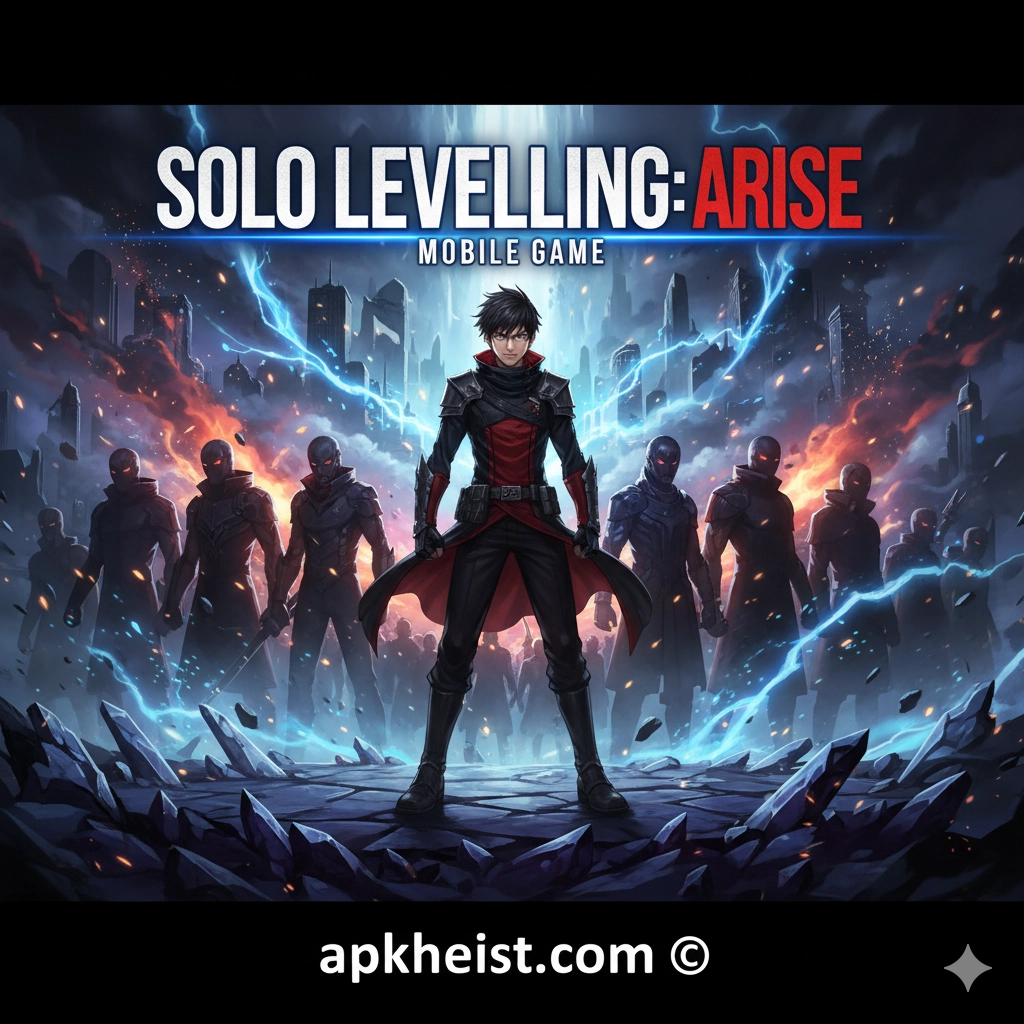
Long intro: Whether you are new to the Solo Leveling universe or a veteran seeking optimized progression paths, Solo Leveling: Arise requires a clear plan. The game blends single-player story dungeons, co-op raids, and persistent meta-progression in the form of gear, skills, and rune systems. Understanding how to prioritize resources — including which equipment to upgrade, which skill trees to emphasize, and how to assemble a balanced team — will dramatically shorten your learning curve and improve your success in both PvE and limited PvP modes. Throughout this article you will find a clickable table of contents to jump to specific topics, followed by full explanations, practical tips, and a set of FAQs addressing common questions.
1. Core Combat Loop — Learn what actions deliver the most DPS and survivability.
2. Best Early-Game Builds — Fast, cheap, and effective builds to clear story content.
3. Mid-Game Progression Priorities — Where to spend materials and when to reroll stats.
4. Endgame Clubs & Raids — How to prepare for and excel in co-op endgame content.
5. Equipment and Rune Optimization — A practical system for upgrades and enchantments.
6. Team Composition & Synergies — Building a roster that covers damage, control, and sustain.
7. Monetization & Resource Management — Smart spending and free-to-play tips.
1. Core Combat Loop
The core combat loop in Solo Leveling: Arise centers on alternating between fast basic attacks and timed skill activations to maintain damage windows while managing cooldowns and positioning. A typical encounter cycle looks like this: (1) close distance with a dash or mobility skill, (2) unleash a primary skill combo for damage and crowd control, (3) weave in auto-attacks or quick skills to refresh on-hit effects, and (4) retreat or reposition when enemies begin heavy-attack animations. Mastery of animation canceling and input timing will yield significantly higher DPS than simply relying on skill RNG.
Practical tip: prioritize skills that grant temporary invulnerability or large knockback when facing multi-target waves — they reduce downtime and protect your build's sustain. Many players overlook basic attack scaling: ensure your weapon level and attack-speed modifiers are not lagging behind your skill investment.
2. Best Early-Game Builds
Early-game success depends on survivability and resource sustainability. Recommended starter builds focus on one primary damage skill augmented with passive survival nodes. For example, a melee striker build should invest early points in a single-target burst skill and then allocate remaining points into cooldown reduction and minor lifesteal passives.
Choose equipment that complements your chosen primary damage source — if your damage scales with critical chance, obtain early gear with crit roll stats rather than chasing raw attack. Completing initial story dungeons and daily missions reliably will secure the crafting shards necessary for rapid weapon upgrades.
To accelerate progression, occasionally substitute a high-quality green or blue accessory with temporary event gear that provides exceptional stat boosts; events often offer the best short-term power spikes for clearing content faster.
SAMURAI X - X-Sword Style Game
3. Mid-Game Progression Priorities
Between level caps and the first major prestige break, mid-game focuses on building a stable income of upgrade materials and unlocking quality-of-life systems: auto-repeat dungeons, crafting branches, and the rune socketing system. Prioritize the following in this order: (A) raise your main weapon to the soft cap for your tier, (B) unlock one or two essential rune slots and populate them with tier-appropriate runes, (C) increase elite dungeon clear speed by optimizing skill rotation with cooldown-reduction gear.
Stat re-rolls and refinement: use re-roll resources sparingly and only on items that will remain in your main build for multiple tiers. A common mid-game mistake is re-rolling transient gear; instead reserve heavy refinement for weapons and accessories that will survive at least two upgrade tiers.

4. Endgame Clubs & Raids
Endgame introduces club (guild) mechanics, timed raids, and multi-stage boss encounters that demand precise role execution. At this stage, the marginal value of incremental stat increases compounds, so players should coordinate to fill necessary roles — sustain/healer, controller, burst DPS, and buffer. Practice raid mechanics in casual runs before attempting loot-hardened modes where mistakes are severely punished.
Communication tools inside clubs — timers, callouts, and assigned interrupt responsibilities — dramatically increase success rates. If you are leading a raid team, create simple checklists: pre-fight buffs, priority targets, interrupt chains, and fallback maneuvers. Successful clubs also rotate responsibility for resource-heavy consumables so no single member drains their reserves.
Mad GunS Game: Ultimate Guide to Chao
5. Equipment and Rune Optimization
Equipment progression is a layered system of base rarity, refinement, enchantment, and rune socketing. Best practice: keep one “main” weapon and one “main” accessory for each character and focus your highest refinement material there. When choosing enchantment paths, favor multiplicative modifiers (e.g., critical multiplier, damage bonus) over additive ones when possible — multiplicative effects scale better into late tiers.
Runes provide specialized bonuses: movement speed, cooldown reduction, elemental damage, and resistances. A hybrid approach works well for many players — one offensive rune to maximize DPS and one defensive rune to secure survival during high-mechanics phases.
Remember that crafting conversion stones are limited — use them to convert obsolete runes into higher-tier equivalents rather than discarding them.
Is the Miraculous Game the Ultimate In
6. Team Composition & Synergies
Solo Leveling: Arise rewards teams that balance damage, control, and sustain. A typical high-performing composition pairs a primary damage dealer with a buffer (increasing attack or critical chance), a controller (stuns, slows, or knockbacks), and a sustain/utility character that can provide heals or shields. Synergies are often skill-locked — some characters' bursts gain massive benefit from particular debuffs applied by allies.
Design your roster to cover elemental resistances that frequently appear in raid and dungeon bosses. A flexible bench — characters specialized for certain dungeon types — reduces downtime and resource waste when tackling event-limited content.
City Fighter vs Street Gang Game
7. Monetization & Resource Management
Efficient resource management separates long-term success from short-lived spikes. Prioritize permanent progression purchases (inventory space, expansion of skill slots, or permanent experience boosters) over one-off cosmetics if your goal is power growth. Take advantage of daily login milestones, rotating shop discounts, and limited-time bundles that include crafting materials rather than pure currency.
Free-to-play strategy: consolidate your free premium currency for banner pulls that guarantee specific high-impact characters or for limited-time bundles that convert directly into upgrade materials. Resist the temptation to chase every new release — meta-stable characters typically surface within a 2–4 week window after launch, at which point you can evaluate whether they materially affect your progression.
Into the Dead: The Ultimate Runner
FAQs — Solo Leveling: Arise
Q1: What is the fastest way to level a new character?
A1: The fastest method is to run story dungeons on auto-repeat while using experience boosters during double-XP windows. Pair that with finishing daily challenges and clearing event-specific XP nodes. Equip any XP-gain consumables you obtain and focus on completing objective-based missions which often give large XP bursts.
Q2: Which resource should I prioritize: weapon refinement or skill upgrades?
A2: Initially prioritize weapon refinement up to the soft cap for your current tier because base weapon attack scales all your damage. Once the weapon reaches a reliable baseline, shift focus toward key skill upgrades that directly increase your primary rotation's damage or reduce cooldowns.
Q3: Are there class tiers or a meta to follow?
A3: Yes—developers release balance patches that adjust class power. Follow patch notes and community tier lists for a snapshot of the meta, but make decisions based on your playstyle and available roster. Often, well-played “lower-tier” characters outperform top-tier picks if you optimize their equipment and synergies.
Q4: How do I prepare for raid mechanics I haven't seen before?
A4: Study raid guides or club notes, practice in normal mode runs, and bring consumables like damage mitigation potions. Assign clear roles beforehand and run a few warm-up attempts focusing solely on learning mechanics rather than maximizing DPS.
Q5: Which currencies are safe to hoard?
A5: Hoard the premium summon currency for limited-time banners that offer high-value characters or weapon-specific pools. Additionally, stockpile upgrade materials that are required for weapon ascension since those are typically scarce and always in demand.
Q6: How should I handle duplicate character pulls?
A6: Convert duplicates into their refinement or enhancement equivalent if the game offers a conversion system. Use duplicates strategically to unlock higher-tier skill nodes if that is supported; otherwise, trade them in for universal upgrade resources when available.
Q7: Where can I find reliable guides and community resources?
A7: Official patch notes and the game’s community channels are primary sources for accurate changes. Complement those with dedicated fan guides and databases that track skill scaling and rune effects. Joining an active club will also surface practical, up-to-date strategies.