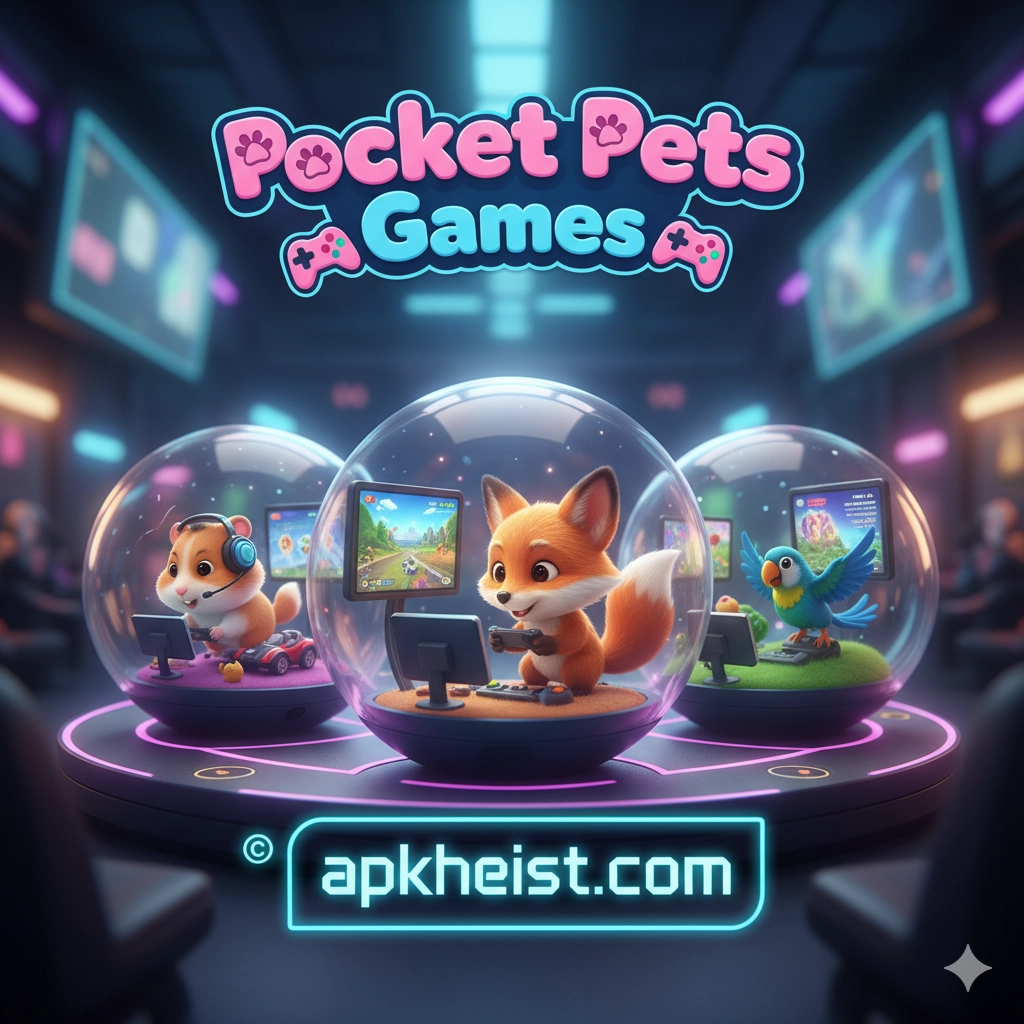
In the evolving ecosystem of mobile entertainment, Pocket Pets Games represent a hybrid between virtual pet simulators, light RPG mechanics, and casual progression systems. Players adopt, nurture, train, and customize compact digital animals while engaging in mini-games, quests, and social interactions. Whether you prefer competitive pet battles, creative habitat design, or relaxed daily care routines, this genre spans multiple categories including Adventure, Simulation, and Casual. The accessibility of short play sessions combined with long-term progression loops makes these games particularly suitable for mobile-first users seeking consistent engagement without excessive complexity.
Table of Contents
1. Core Gameplay Mechanics – Understanding feeding, training, and interaction systems.
2. Customization and Personalization – Designing habitats and styling your pets.
3. Mini-Games and Skill Development – Enhancing stats through interactive challenges.
4. Multiplayer and Social Features – Trading, visiting, and competitive elements.
5. Progression Systems and Rewards – Leveling frameworks and monetization balance.
6. Educational and Cognitive Benefits – Responsibility and light strategic thinking.
7. Offline vs Online Gameplay Modes – Accessibility and device flexibility.
1. Core Gameplay Mechanics
The foundation of Pocket Pets Games lies in lifecycle management mechanics. Players typically manage hunger meters, happiness indicators, hygiene status, and energy levels. These systems function as resource management loops that encourage regular engagement. Feeding schedules, sleep cycles, and interactive play sessions are structured to simulate responsibility without becoming punitive. Many titles incorporate light Role Playing elements, allowing pets to evolve or unlock abilities over time.
Balanced design ensures that neglect results in minor setbacks rather than permanent loss, making the genre welcoming to casual audiences while retaining depth for dedicated players.
2. Customization and Personalization
Customization acts as a retention driver. Players can modify fur colors, outfits, accessories, and habitat décor. Decorative systems often overlap with creative sandbox mechanics found in Arcade or design-focused simulation titles. Seasonal events introduce limited-time skins and themed environments, encouraging consistent logins.
Personalization deepens emotional attachment. When players invest time curating a pet’s identity, churn rates decrease and engagement cycles extend significantly.
3. Mini-Games and Skill Development
Mini-games are embedded as stat-building mechanisms. These may include reflex-based challenges, pattern recognition puzzles, or light Puzzle interactions. Success typically improves attributes such as agility, intelligence, or charisma.
This layered design prevents repetitive feeding loops from becoming monotonous. Instead, players actively participate in skill enhancement, creating a sense of progression through competence rather than passive waiting.

4. Multiplayer and Social Features
Modern Pocket Pets Games increasingly incorporate multiplayer architecture. Players can visit friends’ habitats, exchange gifts, or compete in tournaments. Some titles introduce leaderboard-based events resembling mechanics seen in Strategy ecosystems.
Social loops increase retention through cooperative tasks and limited-time competitions. Community-driven events also introduce scarcity models that enhance perceived value of rewards.
5. Progression Systems and Rewards
Progression structures typically rely on experience points, evolution trees, and unlockable content tiers. Reward frameworks may include cosmetic upgrades, new species, or habitat expansions. Carefully balanced reward pacing ensures long-term engagement without overwhelming new players.
Some games integrate light monetization via optional cosmetic purchases while preserving fairness in core gameplay mechanics.
6. Educational and Cognitive Benefits
Although primarily entertainment-focused, Pocket Pets Games subtly reinforce responsibility, time management, and decision-making. Resource prioritization mirrors basic strategic thinking models. For younger audiences, these mechanics promote structured habits and goal-oriented behavior.
The blend of nurturing and tactical planning creates a psychologically rewarding gameplay loop.
7. Offline vs Online Gameplay Modes
Accessibility varies across titles. Offline-compatible versions prioritize solo progression, while online-enabled games support cloud saves and multiplayer synchronization. Players who prefer uninterrupted sessions during travel often select offline-capable builds, while competitive users gravitate toward persistent online ecosystems.
This flexibility ensures the genre remains inclusive across diverse connectivity environments.
Frequently Asked Questions (FAQ)
1. What are Pocket Pets Games?
Pocket Pets Games are virtual pet simulation titles where players adopt, care for, train, and customize digital companions through interactive gameplay systems.
2. Are Pocket Pets Games suitable for children?
Yes, most titles are designed with age-appropriate mechanics and encourage responsibility, creativity, and light strategic thinking.
3. Do Pocket Pets Games require internet access?
Some versions function offline, while others require connectivity for multiplayer, cloud saves, and live events.
4. Can pets evolve or upgrade?
Many games include evolution systems, stat progression, and unlockable cosmetic enhancements tied to gameplay milestones.
5. Are there competitive elements?
Yes, certain titles incorporate tournaments, leaderboards, and social competitions that enhance engagement depth.
6. What genres do Pocket Pets Games overlap with?
They frequently combine elements from Simulation, Casual, Role Playing, Strategy, and Puzzle categories.
7. How do developers maintain long-term engagement?
Through seasonal events, limited-time rewards, progression tiers, social mechanics, and consistent content updates.