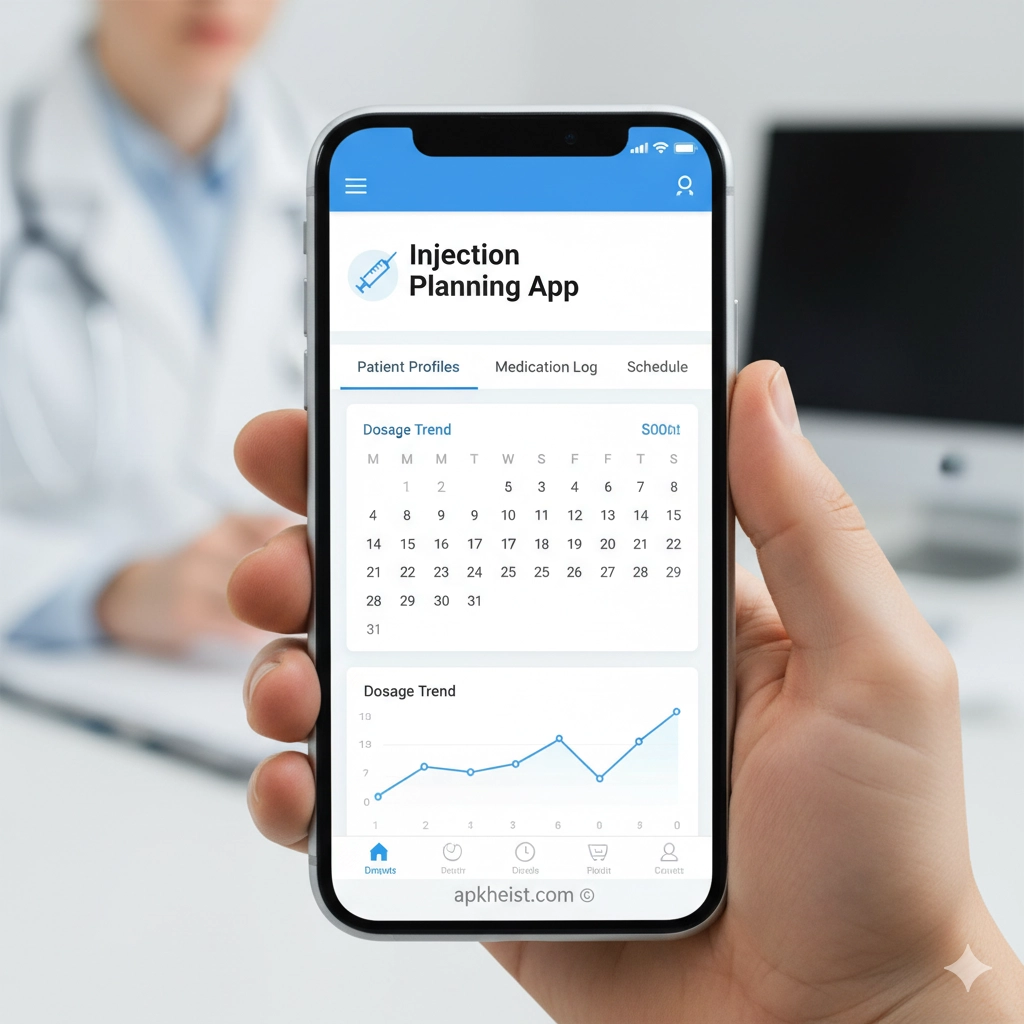
An Injection Planning App transforms complex injection workflows into structured, traceable, and compliant digital processes. Whether managing vaccination campaigns, insulin therapy schedules, aesthetic treatment plans, hormone replacement protocols, or large-scale clinical programs, this type of application centralizes data, reduces human error, and improves patient outcomes. By integrating appointment management, dosage tracking, inventory monitoring, regulatory documentation, and automated reminders, the Injection Planning App becomes an operational control center. Healthcare providers, clinics, hospitals, and mobile medical teams can coordinate multi-patient injection schedules with accuracy while ensuring adherence to safety standards, cold-chain requirements, and compliance documentation.
Table of Contents
1. Core Features of an Injection Planning App – Essential functionalities that ensure accurate planning and execution.
2. Benefits for Clinics and Healthcare Providers – Operational, financial, and clinical advantages.
3. Compliance, Documentation, and Safety Management – Maintaining regulatory standards and traceability.
4. Integration with Other Digital Systems – Connecting injection workflows with broader healthcare tools.
5. Future Trends in Injection Planning Technology – AI, automation, and predictive healthcare analytics.
1. Core Features of an Injection Planning App
An advanced Injection Planning App typically includes intelligent scheduling algorithms, automated reminders, dosage calculators, patient profile management, and digital consent documentation. Calendar synchronization ensures clinicians avoid overlaps, while multi-user role permissions protect sensitive medical data. Real-time injection logging enables practitioners to record lot numbers, expiration dates, injection sites, and adverse reactions instantly. Some platforms integrate barcode scanning to reduce medication errors and support cold-chain monitoring alerts for temperature-sensitive biologics. These features collectively reduce administrative burden while improving precision and accountability in injection-based care delivery.
2. Benefits for Clinics and Healthcare Providers
Clinics leveraging an Injection Planning App gain measurable efficiency improvements. Automated reminders significantly reduce missed appointments. Digital tracking minimizes manual paperwork and transcription errors. Inventory synchronization prevents stockouts and overordering. For multi-branch medical groups, centralized dashboards provide visibility into injection volumes, utilization rates, and patient adherence trends. Financially, improved scheduling optimization increases capacity utilization. Operationally, structured injection pathways improve patient trust and standardize care protocols. Similar to workflow systems discussed in WB Manager App: The Ultimate Workforce, structured task coordination dramatically enhances organizational control.
3. Compliance, Documentation, and Safety Management
Injection-based treatments often fall under strict regulatory oversight. An Injection Planning App supports compliance by maintaining immutable audit trails, digital consent forms, vaccination certificates, and batch tracking logs. Automated alerts notify staff when booster doses are due or when documentation is incomplete. In large vaccination drives or chronic disease programs, centralized digital documentation ensures traceability. Just as structured documentation platforms like Jotform - Form, Sign & Survey App: The digitize form workflows, injection planning systems digitize clinical execution workflows while maintaining security and data integrity.

4. Integration with Other Digital Systems
Modern Injection Planning Apps rarely operate in isolation. Integration with electronic health records (EHR), billing systems, laboratory systems, and pharmacy inventory modules is critical. API-based connectivity enables automatic updates of patient histories, allergy alerts, and insurance claims. In mobile environments, offline data capture functions—similar in principle to solutions highlighted in Offline Surveys App: The Complete Guide—allow healthcare workers to record injections in remote areas without connectivity, syncing securely once online access is restored. Integration enhances scalability and cross-departmental collaboration.
5. Future Trends in Injection Planning Technology
The next evolution of Injection Planning Apps involves artificial intelligence and predictive healthcare analytics. AI can forecast patient adherence risks, recommend optimal injection intervals, and detect anomalies in dosage patterns. Machine learning models may optimize vaccine allocation during outbreaks by analyzing demographic and supply-chain variables. Biometric authentication and blockchain-based audit trails are being explored for high-security medical environments. As digital healthcare ecosystems expand, Injection Planning Apps will increasingly function as interconnected modules within broader health management infrastructures.
Frequently Asked Questions (FAQ)
1. What is an Injection Planning App used for?
An Injection Planning App is used to schedule, document, and manage injection-based treatments such as vaccinations, insulin therapy, hormone injections, cosmetic procedures, and clinical trial administrations.
2. Can an Injection Planning App reduce medical errors?
Yes. Features such as dosage calculators, barcode scanning, lot tracking, and automated alerts significantly reduce the risk of incorrect dosage, expired medication use, and scheduling mistakes.
3. Is an Injection Planning App suitable for small clinics?
Absolutely. Small practices benefit from automated reminders, simplified record-keeping, and improved workflow efficiency without needing complex enterprise infrastructure.
4. Does the app support regulatory compliance?
Most professional Injection Planning Apps include audit logs, digital consent forms, batch tracking, and secure data storage to meet healthcare compliance standards.
5. Can Injection Planning Apps work offline?
Many advanced platforms offer offline functionality for fieldwork scenarios, syncing injection data securely when internet connectivity becomes available.
6. How does it integrate with other healthcare systems?
Integration is typically achieved through APIs that connect with EHR systems, billing platforms, pharmacy management software, and laboratory databases.
7. Is patient data secure in an Injection Planning App?
Professional-grade apps implement encryption, multi-factor authentication, role-based access control, and secure cloud hosting to protect sensitive health information.