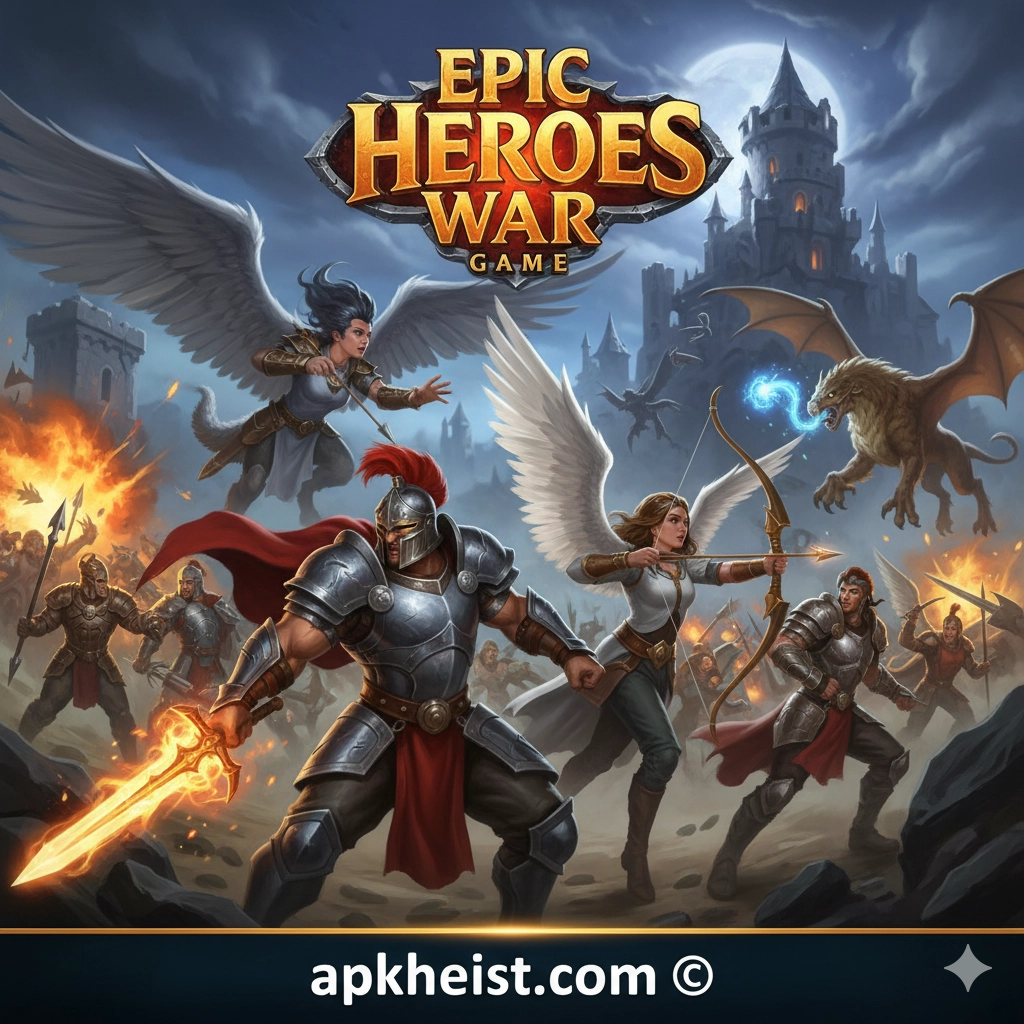
Long intro: In Epic Heroes War, players assemble teams of unique heroes, level them through battles and resources, and engage in PvE campaigns, guild wars, and ranked PvP arenas. Success requires understanding hero roles, team synergy, resource prioritization, and meta-aware tactics. This article provides a structured walkthrough: a quick table of contents with short descriptions, in-depth sections for each topic, and a practical FAQ to address common and advanced questions. Along the way, relevant resources and related articles are naturally cited to help extend your reading.
1. Heroes and Roles — Understand each hero class and the role they play on your team.
2. Team Composition & Synergy — Build teams that amplify strengths and cover weaknesses.
3. Progression & Resources — The most efficient upgrade path for materials, gold, and XP.
4. Combat Mechanics & Tactics — How turn order, positioning, and skill timing affect outcomes. Battle Bay Game — Definitive Tactical
5. Guilds, Raids & Social Play — Maximizing guild rewards and coordinating raid strategies. Pocket Necro Game: The Ultimate Dark Sum
6. Meta, Events & Seasonal Changes — Track shifts in the meta and make the most of limited-time events.
7. Advanced Tips & Endgame — Optimization strategies for veteran players and endgame content. Is the Miraculous Game the Ultimate In
1. Heroes and Roles
Overview: Heroes fall into distinct archetypes: Tanks (absorb damage and control positioning), Damage Dealers (single-target or area DPS), Supports/Healers (sustain and buff), and Utility/Control (debuffs, stuns, crowd control). Knowing what each hero brings allows you to plan counters and compose balanced squads.
Detailed analysis: Begin by identifying your roster’s highest-star and most synergistic heroes. Tanks should be frontline anchors with taunt or high mitigation abilities. Place damage dealers where they can reach priority targets quickly; assassins and high single-target DPS excel when paired with speed-boost supports. Supports should be selected not just for raw healing but for the utility of their buffs and cleansing abilities. Utility heroes that apply crowd-control or anti-heal are often the deciding factor in competitive matches. When leveling, prioritize core heroes who fit multiple team roles to preserve resources. Finally, experiment with alternate gear sets to tailor hero stats (e.g., crit vs. survivability) depending on opponent composition.
2. Team Composition & Synergy
Overview: Team composition is less about stacking the highest-star heroes and more about synergy: speed tuning, damage windows, and complementary abilities.
Detailed analysis: Build around a clear win condition: are you aiming to out-sustain opponents, burst them before they act, or control the battlefield with disables? For sustain teams, combine a reliable tank, two sustain supports, and one or two steady damage dealers. For burst teams, ensure you have initiators that can lock down targets while your DPS unloads. Speed control is critical; manipulating turn order via speed buffs or debuffs allows your key skills to land at the correct moment. Positioning also matters — protect fragile carries with frontline buffers and use side-slot heroes for flank utility. When forming guild teams or arena squads, prepare multiple compositions and practice counter-rotations so you can swap in matchups where a single hero’s presence flips the outcome.
3. Progression & Resources
Overview: Resource management (gold, hero shards, upgrade mats) determines how quickly you ascend. Prioritize upgrades that unlock power spikes for your primary team.
Detailed analysis: Early-game progression focuses on leveling a small set of heroes to clear campaign maps and unlock daily game modes. Medium-term strategy should shift to gear optimization and skill promotion for those core heroes. Avoid spreading resources thin across many heroes; concentrate on 3–5 main heroes for PvP and one or two for specialized PvE content. Use limited-time event shops to purchase rare mats and prioritize offers that directly improve your carry heroes. Save premium currency for essential pulls that complete crucial hero sets rather than chasing every new banner. Additionally, automate daily routines (campaign farming, daily dungeon runs, and guild contributions) to compound progress. For reference on optimizing play routines and tactical farming, consult external tactical guides. Into the Dead: The Ultimate Runner
4. Combat Mechanics & Tactics
Overview: Combat in Epic Heroes War is deterministic yet deep: turn order, skill priorities, and reactive plays change outcomes. Learn which status effects trump others and how to chain crowd control.
Detailed analysis: Understand the game's combat loop: action points or speed-driven turns, passive procs, and conditional triggers. Always watch for enemy combos — if an opponent relies on a big ultimate after a debuff window, interrupt or cleanse at the correct time. Managing cooldowns is essential; force opponents to waste their cooldowns on weaker targets. When entering PvP, scout potential opponents’ common team frameworks and prepare counters — e.g., anti-heal to neutralize regen-heavy comps or silence to prevent enrage mechanics. Effective use of consumables or one-off abilities (if the game provides them) during high-stakes fights can swing close battles. For tactical inspiration from competitive shooters and naval tactics, see related strategy write-ups. Battle Bay Game — Definitive Tactical

5. Guilds, Raids & Social Play
Overview: Guild gameplay yields high-value rewards and a social framework for coordinated strategies. Active participation accelerates progression and unlocks team-focused content.
Detailed analysis: Prioritize joining a guild with regular activity and clear goals (progression, competitive PvP, or casual help). In raids, coordination — target prioritization, role assignment, and timing — consistently beats raw power. Establish guild roles so members know who handles which mechanics; recruit for synergy where necessary. Use voice or chat tools to coordinate complex raid phases. Guild research and shared benefits (buffs, passive bonuses) are long-term multipliers; contribute regularly to maximize these. If available, coordinate hero sharing and training sessions within the guild so new members can learn team compositions and counterplay. For examples of community-driven strategy and cooperative play models, consult community articles and guides. PeYa Rider: Deliver with PeYa App
6. Meta, Events & Seasonal Changes
Overview: The meta fluctuates with hero releases, balance patches, and seasonal events. Adaptation and flexibility are key to staying competitive.
Detailed analysis: Track patch notes and community discussions to anticipate meta shifts. When a new hero or balance change arrives, test synergy in friendly or low-stakes matches before committing heavy resources. Events are opportunities to gain exclusive heroes, shards, or materials — plan your resource allocation around the event schedule. Limited-time game modes sometimes reward unique gear or currencies; prioritize event goals that directly accelerate your power curve. Maintain a bench of versatile heroes who can slot into new metas without requiring full investment. For reading on changing game metas and event optimization, cross-reference general mobile gaming event guides. Is Boom Karts Multiplayer Racing Game
7. Advanced Tips & Endgame
Overview: Endgame players focus on marginal gains: perfecting artifact sets, speed tuning, and optimizing hero synergies to climb leaderboards and dominate guild wars.
Detailed analysis: At endgame, small stat gains compound into meaningful advantages. Refine artifact and gear allocations for exact matchups: some fights demand defensive builds while others reward raw DPS. Invest in speed tuning to ensure your control and burst windows align; this often requires fine-grained stat adjustments and swaps between sets. Study top players’ compositions and replay their match footage (if available) to learn timing and micro-decisions. Allocate premium currency towards targeted pulls that complete desired hero sets rather than speculative summons. Continue participating in content creators’ discussions and official developer notes to stay ahead. For advanced playstyle inspiration and meta discussions, review comprehensive strategy articles. UltData: Photo & Data Recovery
FAQ 1: How should I prioritize hero upgrades?
Answer: Prioritize a compact roster of 3–5 core heroes that will carry you through campaign, arena, and raids. Level their skills and ascend them first. Delay permanent investment in niche heroes until you can field multiple competitive teams.
FAQ 2: Are gacha summons worth it?
Answer: Targeted summons that complete a crucial hero or guarantee a high-value shard are typically worth the investment. Avoid indiscriminate summoning; save for banners that improve your primary teams.
FAQ 3: What is the best way to farm resources efficiently?
Answer: Automate daily essential farms (campaign, dungeons, event nodes). Use stamina optimally — spend it on modes that yield the highest-needed mats for your next power spike. Participate in events that offer multiplier rewards for limited-time efficiency boosts.
FAQ 4: How do I counter popular meta teams?
Answer: Identify the meta’s win condition (sustain, burst, control) and employ targeted counters — anti-heal, cleanses, silence, or crowd-control immunity. Reconfigure speed and positioning to deny their optimal skill order.
FAQ 5: Should I join a guild early?
Answer: Yes. Guilds provide crucial resources, mentorship, and raid access. Even casual guilds deliver daily benefits; seek active guilds for the best progression advantages.
FAQ 6: How can I prepare for seasonal events?
Answer: Save flexible resources and prioritize completing event-specific quests that unlock permanent improvements. Review event previews and plan which rewards align with your progression goals before spending premium currency.
FAQ 7: Any tips for climbing the ranked ladder?
Answer: Develop a handful of well-tuned counter-comps, learn the current meta, and focus on minimizing mistakes rather than forcing risky plays. Rank climbs often require patience, consistency, and adapting to opponent trends.
SAMURAI X - X-Sword Style Game Mad GunS Game: Ultimate Guide to Chao City Fighter vs Street Gang Game