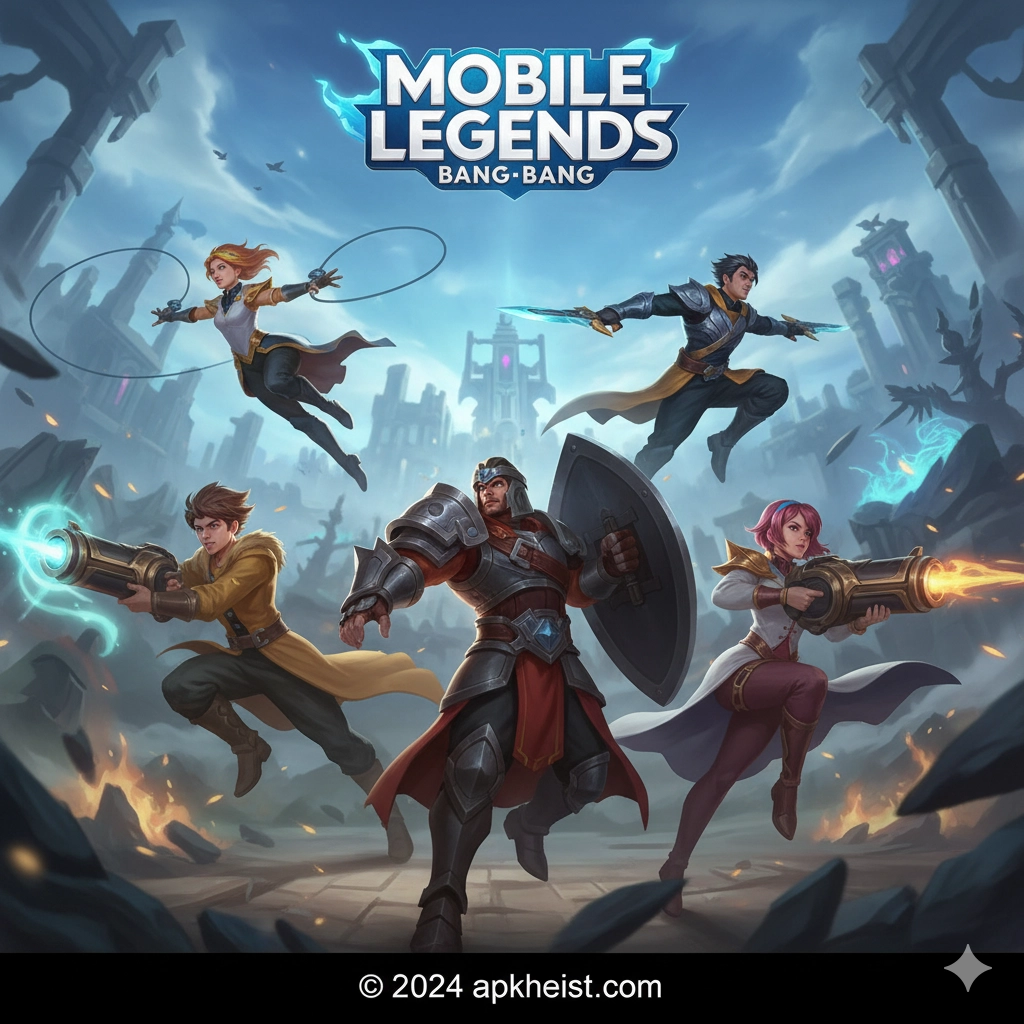
Long intro: Mobile Legends: Bang Bang combines concise matches, diverse hero roles, and layered strategy to create accessible yet deeply competitive gameplay. Each match is a thirty- to twenty-minute dance of lane control, objective timing, and teamfights. New players quickly learn core concepts—laning, last-hitting, and map awareness—while experienced players focus on macro strategy: rotating for turrets, contesting the Lord, and exploiting enemy mispositioning. Successful play blends mechanical skill (hero combos, skill-timing) with strategic thinking (drafting, itemization, vision). Throughout this guide you will find practical sections on hero roles, builds, early- and late-game plans, advanced tactics for ranked play, and answers to frequently asked questions. For comparative design ideas and inspiration, you may find genre-adjacent titles like SAMURAI X - X-Sword Style Game and team-based combat overviews such as Battle Bay Game — Definitive Tactical interesting reads.
1. Core Gameplay Loop — A concise description of what every match teaches you about resource control and tempo.
2. Hero Roles & Team Composition — How to build a complementary roster: tanks, fighters, mages, marksmen, supports, and assassins.
3. Early Game Priorities — Laning, jungling, and timing your first objective pushes.
4. Itemization and Builds — When to go defensive, aggressive, or situational items to maximize effectiveness.
5. Mid/Late-Game Macro — Rotations, objective control, and power spikes that close games.
6. Ranked Strategy & Climbing Tips — Habits, communication, and psychology for steady rank improvement.
7. Advanced Tactics & Counterplay — Split-pushing, baiting, vision denial, and punishing mistakes.
1. Core Gameplay Loop
The core loop in Mobile Legends revolves around three interdependent systems: (1) resource accumulation (gold/experience), (2) map control (turrets, vision, jungle), and (3) fight execution (skirmishes and teamfights). At the start of each match, players choose lanes and roles. Farming reliably—last-hitting minions and taking jungle camps—converts time into power. Periodic objective windows (Turtle, Lord, turret sieges) create forced engagements: controlling vision and timing your team’s presence are paramount. Good teams trade efficiently: surrendering a minor skirmish for map control can snowball into turret pressure or a Lord steal. Mechanically, mastering skill combos, cooldown management, and positioning is core; strategically, recognize power spikes (hero level and core item completion) and force fights around them. For additional perspective on tactical combat design and asymmetric objectives, consider how action titles like Mad GunS Game present tempo through weapons and mobility—concepts that transfer to MOBA pacing.
2. Hero Roles & Team Composition
Each hero role has an expected function. Tanks initiate and absorb; fighters split between front-line durability and damage; mages supply burst and zone control; marksmen deliver sustained ranged DPS; assassins burst fragile targets; supports enable and sustain. A balanced team usually contains at least one frontline (tank/fighter), one sustained DPS (marksman/fighter), and utility (support/mage) to secure objectives. Drafting matters: pair crowd-control (CC) with follow-up burst, or enable carries with peel. Counterpicks change viability—e.g., pick a high-mobility assassin to punish immobile mages, or draft area-denial mages against split-pushers. Communication—simple pings and role confirmations—remains the cheapest way to align a composition’s playstyle. If you enjoy studying role interactions across genres, see design parallels in team-oriented action titles like City Fighter vs Street Gang Game where distinct classes fulfill complementary battlefield roles.
3. Early Game Priorities
The early game establishes tempo. Key priorities: secure lane farm, obtain jungle control, and avoid giving away early kills. Laners must focus on CS and trading efficiently; junglers should contest buffs and provide timed ganks that translate into turret pressure. Warding (or map awareness via minimap) prevents surprise rotations. Map objectives like the Turtle reward teams that rotate first—use vision and scouting to force favorable contests. Use your hero’s early power: if your pick is strong level-4 to level-6, plan coordinated plays around those thresholds. Avoid overextension—one overzealous kill attempt can cost multiple turrets. For players wanting different early-game reads, survivability-focused matchups often mirror survival-runners’ pacing found in games like Into the Dead, where risk assessment and resource management determine how far you push.

4. Itemization and Builds
Optimal builds are situational. Understand three broad itemization patterns: (1) standard/core builds that maximize hero strengths, (2) counter builds that respond to enemy composition (e.g., anti-heal, armor), and (3) hybrid/snowball builds that accelerate a carry’s power curve. Learn which items provide lifesteal, magic/physical penetration, or survivability and when to deviate. Build timing matters: completing a key item before a major objective often clinches fights. Adaptive play—selling boots for late-game scaling items, or choosing defensive boots against heavy CC—keeps you relevant. Study common core items for each hero role and practice switching builds mid-match as the enemy composition shifts. For creative item-purpose comparisons, examine dark-summoning or equipment progression systems featured in genre-adjacent titles such as Pocket Necro Game.
5. Mid/Late-Game Macro
Mid to late game is about converting leads into objectives and minimizing comeback windows. Key macro elements: grouping for sieges, denying enemy vision/rotations, and split-pushing when advantageous. Identify win conditions—does your team win by grouped teamfights around Lord or by split-pushing with a fed side-laner? Force fights when your core items or Lord spawn coincide. If behind, use stalling tactics: clear waves safely, contest small objectives, and look for flanks or picks that reduce enemy numbers before a full engagement. Objective prioritization—Lord vs. turrets vs. inhibitor-like structures—should align with your team’s strength; when ahead, trade kills for structure damage. Learning to recognize and exploit tempo shifts is the defining trait of high-level macro play. For competitive mindset and tactical discipline inspiration, consider studying real-time tactics in multiplayer naval and vehicular combat guides such as those for Battle Bay.
6. Ranked Strategy & Climbing Tips
Climbing the ranked ladder is incremental and habit-driven. Specialize in a small hero pool to reduce variance and increase mechanical consistency. Master one role to avoid queue-role conflicts and communicate lane swaps early. Review your matches—identify death patterns, missed objectives, and communication breakdowns. Prioritize mental resilience: avoid tilt, take short breaks after frustrating games, and practice shot-calling minimal yet clear commands. Use simple, repeatable processes: warm-up with a few normal matches, set a realistic goals-per-session (e.g., improve CS, reduce deaths), and review one replay highlight per session. Queue with reliable partners for higher synergy, but when solo-queueing, select meta-friendly, flexible heroes that perform in many compositions. If you want to analyze competitive progression concepts across genres, contrasting multiplayer systems like those in Miraculous Game reveal useful lessons in role specialization and team synergy.
7. Advanced Tactics & Counterplay
Advanced players master tempo manipulation: wave management (freezing, slow-pushing), vision denial (clearing wards and tracking enemy rotations), and psychological plays (baiting, threat-based zoning). Split-pushing applies pressure and forces enemy rotation; ensure safe escape paths or teleport assistance before committing. In teamfights, identify priority targets (enemy carries, disruptive supports) and sequence your crowd-control and damage to eliminate them quickly. Use micro-decisions—recall timing, teleport placement, and baited cooldowns—to create numerical advantages. Effective counterplay: if an enemy assassin is snowballing, group early and deny isolation; against heavy poke compositions, secure healing and engage windows when their poke cooldowns lapse. Study replay footage of your losses to isolate the precise moments where macro decisions fell apart—this diagnostic approach accelerates improvement. Cross-genre tactical reads from action or brawl titles like Boom Karts offer lateral thinking about timing and positional pressure that can refresh your MOBA approach.
FAQs
Q1: What’s the best way to start improving in Mobile Legends?
A: Focus on mastering three heroes in one role, practice consistent last-hitting and map awareness, review replays for mistakes, and prioritize communication. Small, repeatable improvements compound faster than constantly swapping heroes.
Q2: How do I choose between aggressive and defensive item builds?
A: Choose aggressive builds when you have a lead (higher gold, kills, or tempo) and the enemy lacks burst or crowd-control. Opt for defensive items when you are the target of enemy focus (heavy CC or assassins) or when you need to survive long enough to deliver damage.
Q3: When should my team contest Lord versus split-pushing?
A: Contest Lord when you can reliably secure it (vision, numbers advantage, or key ultimates available). If your side-lane carry is far ahead and the enemy lacks reliable waveclear, consider split-pushing to force rotations and open up turret opportunities instead of risking a contested Lord.
Q4: How important is hero pick order and counterpicking?
A: Very important. Proper pick order secures your team’s win conditions and denies counters. Counterpicks can nullify enemy strengths; always consider synergy with your team’s plan rather than chasing isolated counters.
Q5: What are common mistakes that prevent rank progression?
A: Overextending without vision, inconsistent farming, ignoring objective timing, poor item adaptation, and toxic behavior that disrupts team coordination are the primary blockers to steady rank improvement.
Q6: How should I adapt when my team is losing early?
A: Shift to survivability and wave-clear to stall; avoid risky fights, focus on securing small objectives and vision, look for isolated picks rather than 5v5 engagements, and wait for enemy mistakes to create comeback windows.
Q7: Are there external resources to study strategy and tactics?
A: Yes—watch high-rank livestreams, read tactical guides, and review analyst breakdowns. Comparative study of other competitive games and tactical guides (for example, tactical and progression discussions found in articles like Pocket Necro or Into the Dead) can broaden your strategic thinking.