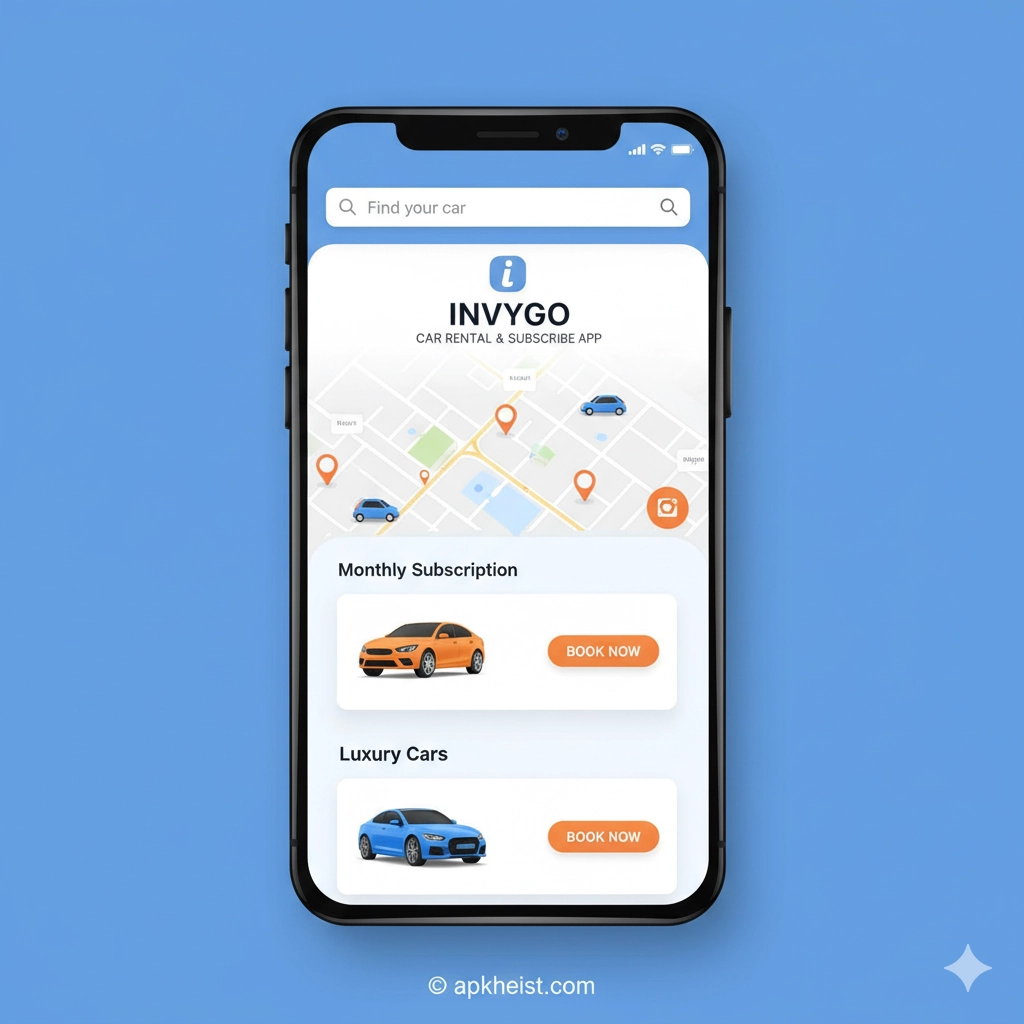
The automotive industry is undergoing a structural transformation driven by digitalization, flexible ownership models, and consumer demand for convenience. The Invygo Car Rental & Subscribe App positions itself at the intersection of car rental and car subscription, offering short-term rentals and monthly subscription plans through a seamless mobile interface. Instead of visiting rental counters or committing to multi-year financing contracts, users can browse vehicles, compare pricing tiers, upload identification, and schedule delivery — all within minutes. For urban professionals, expats, and digital nomads, this model reduces friction, improves cost transparency, and aligns transportation with dynamic lifestyle needs.
Table of Contents
1. What Is Invygo Car Rental & Subscribe App? – Overview of the platform’s core mobility model.
2. How the Car Subscription Model Works – Breakdown of monthly subscription mechanics.
3. Key Features and Digital Experience – App functionality and operational workflow.
4. Pricing Structure and Cost Transparency – Understanding fees and inclusions.
5. Who Should Use Invygo? – Target user segments and use cases.
6. Comparison With Traditional Car Rental – Strategic differences and advantages.
1. What Is Invygo Car Rental & Subscribe App?
The Invygo Car Rental & Subscribe App is a mobile-based automotive service platform that enables customers to access vehicles on demand without the complexity of ownership. It operates as both a short-term rental marketplace and a subscription-based mobility provider. Users can select from economy, mid-range, and premium vehicles depending on budget and preference.
Unlike traditional rental agencies that require in-person verification and large security deposits, Invygo integrates digital KYC verification, contract management, and payment processing within the application. Vehicle delivery and pickup logistics are coordinated directly through the platform, significantly reducing transaction friction.
2. How the Car Subscription Model Works
The subscription model transforms the concept of “owning” a car into “accessing” mobility. Users select a vehicle plan, typically billed monthly, with insurance, maintenance, and roadside assistance bundled into a single recurring fee. This bundling simplifies cost forecasting and eliminates hidden ownership expenses.
Subscribers can upgrade, downgrade, or cancel based on contract flexibility terms. This elasticity is particularly beneficial for expatriates, project-based professionals, and individuals who value financial liquidity over asset accumulation.
3. Key Features and Digital Experience
The app interface is designed with user-centric navigation and minimal operational friction. Core features include digital document upload, instant booking confirmation, vehicle availability tracking, and subscription management dashboards.
Push notifications provide updates regarding payment cycles, service reminders, and contract milestones. From a systems perspective, the platform integrates inventory management with user demand forecasting to optimize fleet utilization rates.
4. Pricing Structure and Cost Transparency
Cost transparency is a critical differentiator. Pricing typically includes insurance coverage, maintenance, servicing, and standard mileage limits. Users can compare vehicle tiers and see total monthly expenditure before commitment.
This clarity contrasts with traditional rental models that may apply incremental fees for insurance upgrades, mileage extensions, or administrative services. The subscription framework consolidates these variables into predictable monthly operating expenditure.

5. Who Should Use Invygo?
The platform is particularly suited for urban residents without permanent vehicle requirements, expatriates on limited contracts, and individuals testing vehicle preferences before purchase decisions.
It is also ideal for professionals relocating temporarily who need immediate transportation without navigating dealership negotiations or financing approvals.
6. Comparison With Traditional Car Rental
Traditional car rental emphasizes short-term transactional engagement, often optimized for tourism. Subscription mobility platforms like Invygo focus on medium-term usage continuity.
From a financial modeling perspective, subscriptions convert capital expenditure into operating expenditure. Users avoid depreciation risk, resale complications, and long-term loan liabilities. Operationally, the entire lifecycle — booking, documentation, payment, and renewal — is centralized within a digital ecosystem.
Recommended Reading
For readers interested in mobility innovation and digital travel ecosystems, you may also explore:
Udrive - Car Sharing & Rental App: The Smart Mobility Solution for On-Demand Urban Driving
Amovens App: The Smart Peer-to-Peer Car Sharing Platform
Obilet App: Your Smart Companion for Seamless Travel Booking
Gotogate App: The Intelligent Flight Booking Platform
Batik Air App: The Smart Digital Companion for Flight Booking
Frequently Asked Questions (FAQ)
1. Is Invygo a rental service or a subscription platform?
It operates as both. Users can choose short-term rental options or monthly subscription plans depending on their mobility needs.
2. Does the subscription include insurance and maintenance?
Yes, most subscription plans bundle insurance coverage, maintenance services, and roadside assistance into the monthly fee.
3. Are there long-term commitments?
The platform emphasizes flexibility. While minimum subscription periods may apply, users are generally not locked into multi-year contracts.
4. Can I switch vehicles during my subscription?
Depending on availability and policy terms, users may upgrade or change vehicles by adjusting their subscription plan within the app.
5. How does Invygo differ from car ownership?
Ownership involves depreciation risk, loan obligations, insurance management, and resale processes. Invygo simplifies mobility into a predictable monthly operational expense without asset liability.