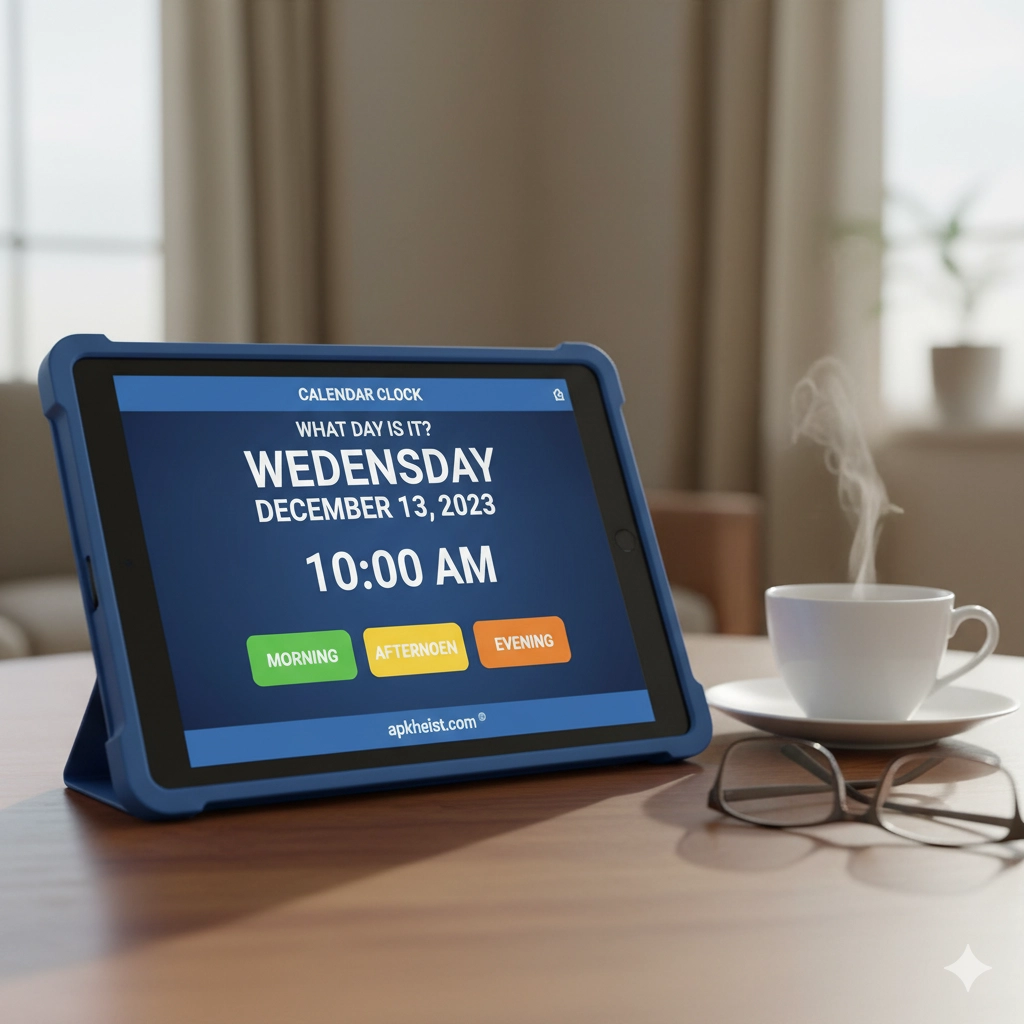
Detailed Introduction: The Calendar Clock Dementia Clock App represents a crucial innovation in assistive technology, particularly for individuals experiencing cognitive decline such as dementia or Alzheimer’s disease. These applications go beyond traditional clocks by displaying full contextual information including time of day (morning, afternoon, evening), date, day of the week, and even reminders for daily activities. By simplifying temporal awareness, the app reduces anxiety, enhances independence, and supports caregivers in maintaining structured routines. Many modern versions integrate voice prompts, medication reminders, and customizable alerts, making them an indispensable part of digital health ecosystems. CommCare App: Digital Health Data Collectio
Table of Contents:
1. Core Features of a Dementia Clock App – Understand essential functionalities
2. Benefits for Dementia Patients – How it improves quality of life
3. Role in Caregiving Support – Assistance for caregivers
4. Customization and Accessibility – Tailoring to individual needs
5. Integration with Smart Devices – Expanding digital ecosystem
1. Core Features of a Dementia Clock App
The Calendar Clock Dementia Clock App typically includes a highly simplified interface designed to eliminate confusion. Unlike standard clocks, it provides large, bold text displaying the full date and time, often accompanied by contextual cues such as “Tuesday Morning” or “Friday Evening.” Some apps incorporate color-coded backgrounds to indicate different times of day, which helps reinforce temporal understanding. Additional features may include alarms, medication reminders, and voice announcements. These features are designed with cognitive ergonomics in mind, ensuring usability even for individuals with declining memory function. FaceTec Demo App: How Advanced 3D Fac
2. Benefits for Dementia Patients
For individuals living with dementia, confusion about time and date is a common and distressing symptom. A Calendar Clock Dementia Clock App mitigates this by providing continuous, clear information that reinforces orientation. This reduces anxiety, prevents repetitive questioning, and promotes a sense of control over daily life. Over time, consistent exposure to structured time data can improve routine adherence and reduce behavioral issues associated with disorientation. AI Mind: Smart Chat & Tutor App – Inte
3. Role in Caregiving Support
Caregivers benefit significantly from these apps as they reduce the burden of constantly reminding patients about time-related information. Automated reminders for meals, medication, and appointments ensure consistency without manual intervention. Furthermore, some advanced apps allow remote configuration, enabling caregivers to update schedules and alerts in real-time. This improves caregiving efficiency and reduces stress levels for both parties. Smart Mobile Switch PhoneClone App: T

4. Customization and Accessibility
Customization is a key strength of modern dementia clock apps. Users can adjust font size, color contrast, language, and notification styles to suit individual preferences and cognitive abilities. Accessibility features such as voice output, touch simplification, and high-contrast displays make these apps inclusive for users with visual or auditory impairments. This adaptability ensures the app remains effective across different stages of dementia progression. Biblioteca País App: A Smart Digital Libr
5. Integration with Smart Devices
Many Calendar Clock Dementia Clock Apps now integrate with smart home systems and wearable devices. This allows synchronization with smart speakers, tablets, and health monitoring tools. For example, reminders can be broadcast through multiple devices, ensuring the user receives consistent prompts regardless of location. Integration enhances the app’s functionality, transforming it into a central hub for daily management and health tracking. Car Play Link App: Intelligent Vehicle Con
FAQs About Calendar Clock Dementia Clock App
1. What is the main purpose of a dementia clock app?
The primary purpose is to help individuals with memory impairments stay oriented with time, date, and daily routines, reducing confusion and anxiety.
2. Can caregivers control the app remotely?
Yes, many advanced apps allow caregivers to configure reminders and settings remotely for better management and flexibility.
3. Are these apps suitable for early-stage dementia?
Absolutely. They are beneficial across all stages, especially early-stage dementia, where establishing routines can slow cognitive decline.
4. Do dementia clock apps require internet access?
Basic features often work offline, but advanced functionalities like synchronization and remote access may require internet connectivity.
5. Can the app remind users to take medication?
Yes, medication reminders are a core feature, helping ensure adherence to prescribed treatment schedules.
Conclusion: The Calendar Clock Dementia Clock App is more than just a timekeeping tool—it is a comprehensive support system that enhances independence, reduces anxiety, and improves quality of life for individuals with dementia while easing the caregiving process.