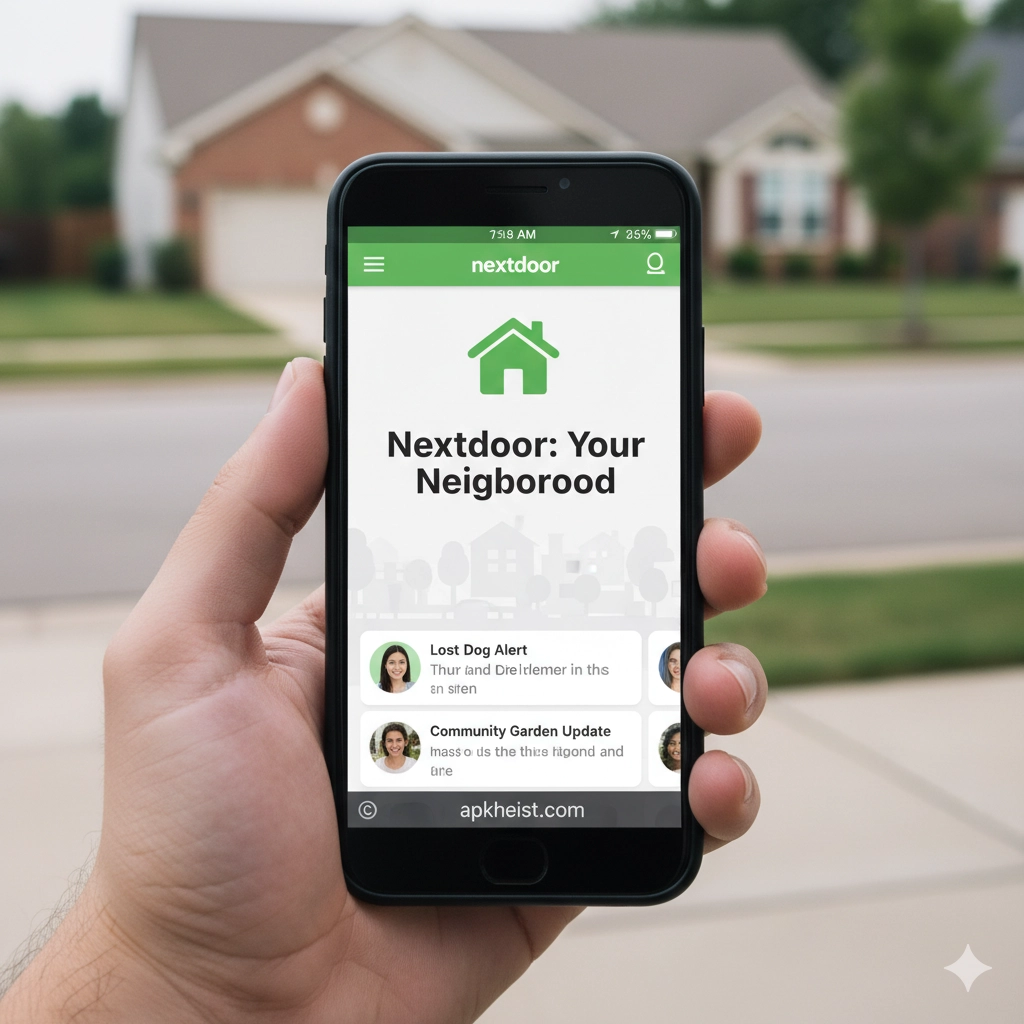
Large Introduction: In an era where global social networks dominate online interaction, the Nextdoor App takes a fundamentally different approach by focusing on neighborhoods and local communities. Instead of connecting users based on interests or followers, Nextdoor connects people based on where they live. This location-based model enables neighbors to exchange recommendations, report safety issues, organize events, buy and sell locally, and stay informed about what truly matters nearby. From lost pets and crime alerts to local business referrals and community discussions, Nextdoor serves as a digital town square that brings neighbors closer together.
Table of Contents:
1. What Is the Nextdoor App? – An overview of the platform and its core purpose.
2. How Nextdoor Builds Local Trust – Understanding verification and neighborhood privacy.
3. Key Features That Define Nextdoor – The tools that make community interaction effective.
4. Nextdoor for Safety and Alerts – How neighbors stay informed and protected.
5. Local Commerce and Recommendations – Supporting nearby businesses and services.
6. The Role of Nextdoor in Modern Community Life – Why hyperlocal platforms are growing in importance.
1. What Is the Nextdoor App?
The Nextdoor App is a private, location-based social networking service that connects people living in the same neighborhood. Unlike traditional social media platforms, Nextdoor restricts access to verified residents, ensuring that conversations remain relevant and local. This design encourages practical discussions, such as neighborhood updates, community announcements, and real-life problem solving. In many ways, Nextdoor functions as a digital notice board combined with a discussion forum, helping neighbors communicate efficiently without noise from unrelated global content.
2. How Nextdoor Builds Local Trust
Trust is a cornerstone of the Nextdoor experience. Users are required to verify their address before participating, which significantly reduces anonymity and spam. This verification process creates a sense of accountability, making conversations more respectful and constructive. Compared to entertainment-focused platforms like Real Guitar Games, which prioritize engagement and creativity, Nextdoor prioritizes authenticity and real-world relevance. As a result, neighbors feel more confident sharing sensitive information such as safety concerns or personal recommendations.
3. Key Features That Define Nextdoor
The Nextdoor App offers a variety of features designed specifically for neighborhood interaction. These include local news feeds, event postings, polls, and direct messaging between neighbors. A dedicated recommendations section allows users to ask for and provide trusted referrals for services like plumbers, babysitters, or tutors. While apps such as Music Piano 7: Rush Song Games Games focus on entertainment and skill-building, Nextdoor focuses on utility and community value, making it an essential everyday tool rather than a pastime.
4. Nextdoor for Safety and Alerts
One of the most widely used aspects of the Nextdoor App is its safety and alert system. Neighbors can report suspicious activity, missing pets, road closures, or emergency situations in real time. Local authorities and public agencies can also share verified alerts, increasing awareness and preparedness. This collaborative safety model transforms passive residents into active participants in community well-being, creating a shared sense of responsibility that few other digital platforms achieve.

5. Local Commerce and Recommendations
Nextdoor plays an increasingly important role in local commerce. Small businesses can engage directly with nearby customers, while residents can buy, sell, or give away items within their neighborhood. This hyperlocal marketplace reduces friction and builds economic resilience at the community level. Unlike broad marketplaces or leisure-oriented apps such as Kids Piano Music & Songs Games, Nextdoor’s commerce features are deeply rooted in trust and proximity.
6. The Role of Nextdoor in Modern Community Life
As urbanization and digitalization continue to reshape social interaction, platforms like the Nextdoor App fill a critical gap by reconnecting people with their immediate surroundings. It encourages civic engagement, supports local initiatives, and fosters a sense of belonging that is often lost in large cities. In contrast to fast-paced entertainment ecosystems like Tiles Hop Games, Nextdoor emphasizes slow, meaningful interactions that translate directly into offline impact.
FAQs About the Nextdoor App:
Q1: Is the Nextdoor App free to use?
Yes, the Nextdoor App is free for residents. Local businesses may choose paid options to promote their services within nearby neighborhoods.
Q2: How does Nextdoor verify users?
Nextdoor verifies users through address confirmation methods, such as mail verification or other location-based checks, ensuring that members truly live in the neighborhood.
Q3: Can I use Nextdoor if I move?
Yes, users can update their address when relocating, allowing them to join a new neighborhood and maintain access to relevant local discussions.
Q4: Is Nextdoor safer than traditional social media?
Because of its real-name policy and address verification, the Nextdoor App generally experiences fewer trolls and less misinformation than open social networks.
Q5: Who benefits most from using the Nextdoor App?
Homeowners, renters, families, and local businesses all benefit from Nextdoor, especially those who value trust-based communication and local engagement.