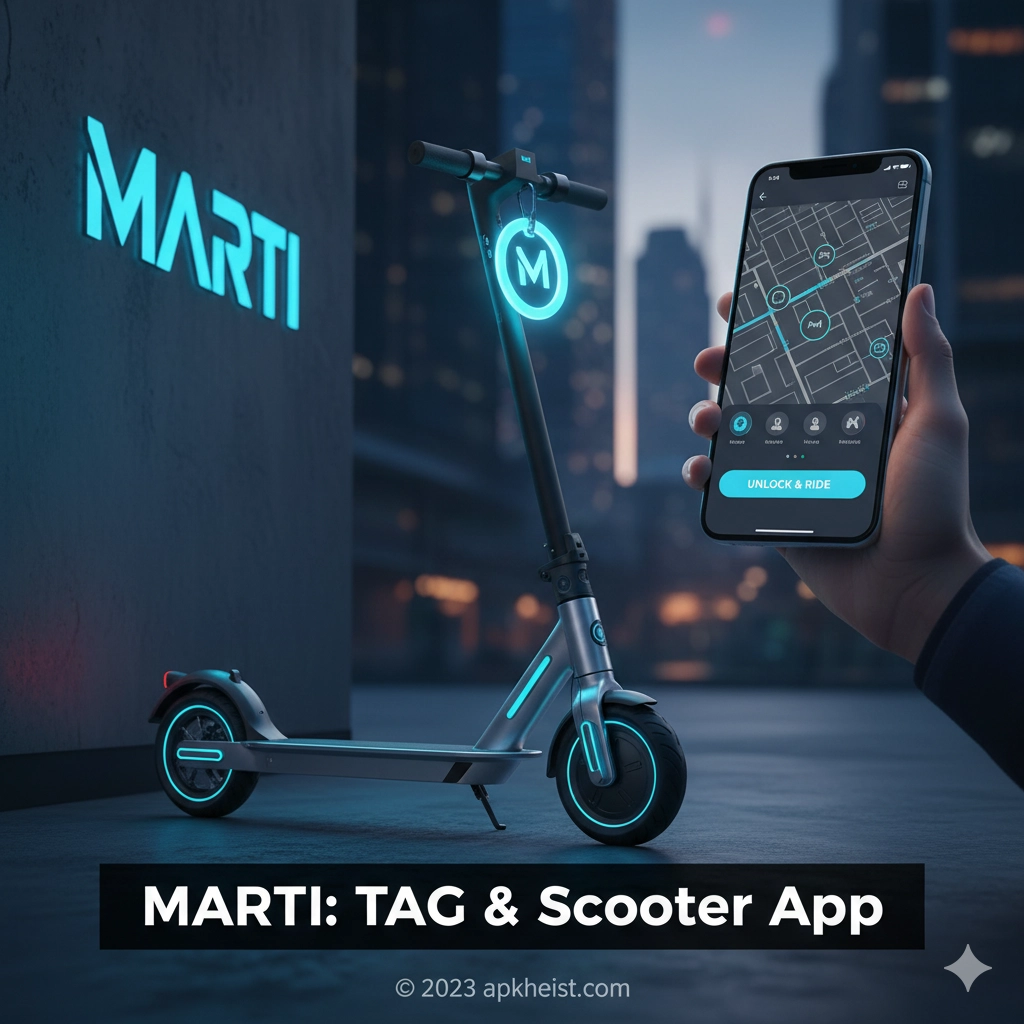
Designed for modern commuters and spontaneous city explorers alike, MARTI: TAG & Scooter App transforms the way people navigate urban landscapes. By combining GPS-enabled scooter unlocking, secure digital payments, real-time ride tracking, and multi-modal transport options, the app minimizes friction across the entire mobility lifecycle. Whether you're commuting to work, heading to campus, or bridging the last mile between public transit and your destination, MARTI delivers operational efficiency, sustainability benefits, and user-centric convenience within a single mobile interface.
Contents Overview
1. Core Features of MARTI: TAG & Scooter App – A breakdown of the platform’s primary functionality.
2. How Scooter Unlocking and TAG Integration Works – Technical explanation of ride activation and service coordination.
3. Pricing Model and Payment Infrastructure – Understanding fare logic and digital billing.
4. Safety Framework and User Protection – Compliance, monitoring, and rider safeguards.
5. Environmental Impact and Smart City Integration – Sustainability and infrastructure synergy.
6. Competitive Advantages in the Micro-Mobility Sector – Market positioning and differentiation.
1. Core Features of MARTI: TAG & Scooter App
MARTI integrates real-time geolocation, QR-based scooter unlocking, digital wallet payments, ride history analytics, and in-app customer support. The platform architecture supports scalable fleet management while providing users with transparent ride metrics such as duration, distance, and cost projections. Unlike fragmented mobility services, MARTI consolidates scooter rental and TAG ride coordination into a unified control panel, optimizing urban travel planning through predictive mapping and availability indicators.
2. How Scooter Unlocking and TAG Integration Works
The operational workflow is structured around a scan-to-ride protocol. Users locate a nearby scooter via the embedded map, scan the QR code, and authenticate the ride through secure token validation. TAG services are integrated within the same interface, allowing seamless switching between micro-mobility and larger ride formats. Backend systems synchronize vehicle telemetry with user accounts to ensure accurate billing, anti-theft monitoring, and real-time asset visibility.
3. Pricing Model and Payment Infrastructure
The pricing model typically consists of a base unlock fee combined with per-minute billing. Dynamic pricing may apply during peak demand periods. Payment processing is secured via encrypted gateways supporting debit/credit cards and digital wallets. Users can access ride summaries and invoices within the transaction dashboard, ensuring financial transparency. For users interested in other structured digital service platforms, tools such as Triacle Life App: The Intelligent Platform demonstrate similar dashboard-based tracking logic in different sectors.

4. Safety Framework and User Protection
Safety compliance is embedded into the MARTI ecosystem through rider education prompts, speed regulation controls, and geo-fenced no-ride zones. Helmets are recommended, and the app may enforce parking compliance through designated drop-off validation. Emergency contact features and ride-sharing trip links add additional protective layers. Comparable safety-first digital infrastructure can be observed in platforms like IMSS Digital App: The Official Gateway, where regulated systems prioritize user security.
5. Environmental Impact and Smart City Integration
Electric scooters significantly reduce carbon emissions relative to combustion-engine transport. MARTI contributes to smart city ecosystems by reducing congestion and enabling data-driven traffic optimization. Municipal partnerships may integrate scooter parking zones with transit hubs. In broader wellness and sustainability conversations, digital lifestyle applications such as Basic-Fit App: The Smart Digital Companion reflect parallel movements toward efficiency and health-conscious living.
6. Competitive Advantages in the Micro-Mobility Sector
MARTI differentiates itself through integrated TAG ride services, operational scalability, and urban coverage strategy. Fleet distribution algorithms enhance availability density in high-demand corridors. User interface simplicity reduces onboarding friction. When compared to single-function apps, MARTI’s multi-layer service approach strengthens retention and cross-utilization metrics.
Frequently Asked Questions (FAQ)
1. Is MARTI: TAG & Scooter App available in multiple cities?
Availability depends on municipal authorization and fleet deployment strategy. Users can verify service regions directly within the app’s location interface.
2. What do I need to start riding?
You need a verified account, a valid payment method, location services enabled, and compliance with minimum age requirements.
3. How are ride charges calculated?
Charges are calculated using a base unlock fee plus time-based billing. Surge adjustments may apply during high-demand intervals.
4. What happens if a scooter malfunctions?
The app allows users to report technical faults immediately. Billing can be paused or adjusted after system verification of ride interruption logs.
5. Does MARTI promote eco-friendly transportation?
Yes. By encouraging electric micro-mobility and reducing reliance on fossil-fuel vehicles, MARTI supports sustainable urban transit strategies and aligns with broader smart mobility initiatives.