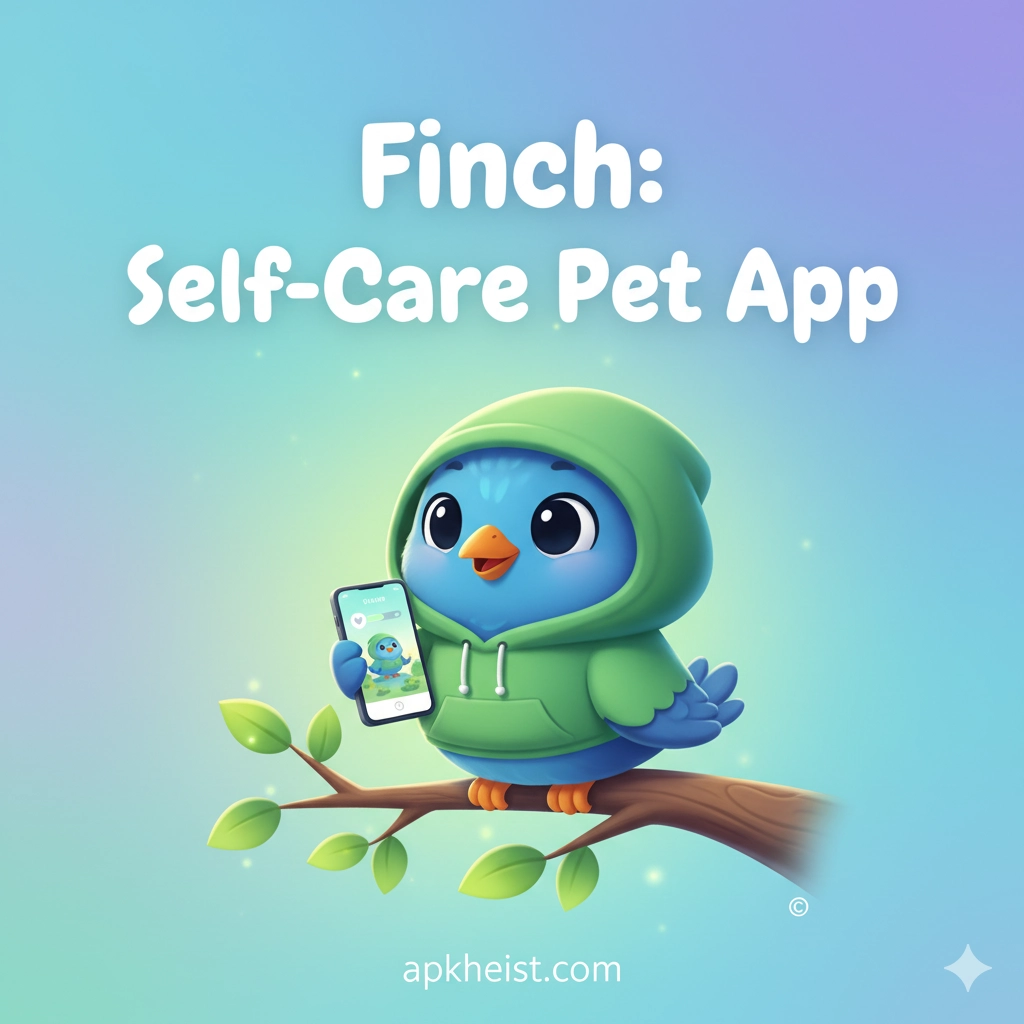
Finch: Self-Care Pet App is designed as a behavioral reinforcement system wrapped inside a charming virtual pet experience. Instead of relying on rigid productivity pressure, the app leverages positive psychology, micro-goal structuring, mood tracking, and gamification loops to encourage sustainable self-care. Users nurture a digital bird by completing real-life wellness activities such as journaling, breathing exercises, hydration tracking, or gratitude reflection. Over time, this habit-stacking framework builds cognitive consistency, reduces avoidance behavior, and supports emotional regulation. Whether someone is dealing with stress, burnout, anxiety, or simply wants to improve daily routines, Finch integrates psychological best practices into a reward-based progression ecosystem.
Quick Navigation
1. Core Concept and Behavioral Design Framework – How gamification reinforces positive habits.
2. Custom Goal Setting and Micro-Task Structuring – Building sustainable routines with adaptive goals.
3. Emotional Tracking and Reflective Journaling – Strengthening self-awareness through data.
4. Reward Systems and Virtual Pet Progression – Motivation mechanics that sustain engagement.
5. Community, Safety, and Mental Wellness Focus – Supportive interaction without toxic comparison.
6. Privacy Architecture and Data Handling – Secure and user-first wellness tracking.
1. Core Concept and Behavioral Design Framework
The foundational architecture of Finch: Self-Care Pet App is rooted in behavioral psychology. Rather than imposing strict productivity metrics, the app encourages incremental self-improvement through micro-commitments. Each completed task contributes to the growth and happiness of your digital companion, creating a positive reinforcement loop. This mirrors cognitive-behavioral techniques where small consistent actions gradually reshape mindset and behavior patterns. By lowering the activation energy required to start tasks, the app reduces procrastination friction and improves adherence rates. Over time, this leads to measurable improvements in routine stability and emotional balance.
2. Custom Goal Setting and Micro-Task Structuring
Finch allows granular customization of daily goals. Users can define low-barrier activities such as drinking water, taking a short walk, or practicing mindful breathing. These micro-tasks are strategically important because sustainable habit formation depends on achievable repetition rather than intensity. The system supports recurring tasks, milestone tracking, and reflective prompts, ensuring users maintain clarity in their wellness objectives. This flexible structure benefits students, remote workers, and professionals managing high cognitive loads.
3. Emotional Tracking and Reflective Journaling
One of the most valuable components of Finch is its mood tracking and journaling interface. Emotional self-monitoring improves metacognition, allowing users to identify patterns in stress triggers, productivity dips, or motivational cycles. The journaling prompts are guided but non-intrusive, encouraging authentic reflection. Over time, this builds emotional literacy and enhances decision-making quality. Data visualization tools provide trend insights without overwhelming users with analytics complexity.

4. Reward Systems and Virtual Pet Progression
Gamification is carefully balanced to avoid addictive design while maintaining engagement. Completing tasks earns energy points that help the pet explore, grow, and unlock accessories. This progression system satisfies intrinsic motivational drivers such as autonomy, mastery, and purpose. Unlike high-pressure competitive apps, Finch avoids leaderboard stress, focusing instead on self-referenced growth. The reward loop is subtle but effective, increasing daily return rates and reinforcing consistency.
5. Community, Safety, and Mental Wellness Focus
Finch integrates optional community features that allow users to send encouragement without comparison metrics. This reduces social anxiety and eliminates the performance pressure common in traditional productivity platforms. The design philosophy prioritizes psychological safety, making it suitable for individuals managing anxiety or burnout. For those interested in additional wellness technologies, you may also explore related applications such as EatGenius - AI Calorie Counter App or MyRealFood: Diet and Recipes App, which complement habit-based health tracking.
6. Privacy Architecture and Data Handling
Given that self-care data can be sensitive, Finch emphasizes secure storage and transparent privacy policies. Users maintain control over their reflections and emotional logs. The app avoids unnecessary data exposure and focuses on ethical digital wellness practices. Individuals who value productivity ecosystems may also consider tools like Windows App: The Complete Guide to Productivity for broader workflow optimization.
Frequently Asked Questions About Finch: Self-Care Pet App
1. Is Finch: Self-Care Pet App suitable for people with anxiety?
Yes. The app is designed with low-pressure goal mechanics and positive reinforcement loops, making it particularly helpful for individuals experiencing anxiety or stress-related avoidance behaviors.
2. Does Finch replace professional therapy?
No. Finch supports self-care routines and emotional awareness but does not replace licensed psychological or medical treatment. It functions as a complementary wellness tool.
3. Can Finch help build long-term habits?
Yes. Its micro-task architecture and reward feedback system align with established habit formation theory, supporting consistent behavioral repetition over time.
4. Is the app free to use?
Finch offers a free version with core functionality. Premium options expand customization, goal tracking depth, and cosmetic features for the virtual pet.
5. What makes Finch different from other self-care apps?
Its integration of emotional reflection, gamified reinforcement, and a nurturing virtual companion creates a uniquely supportive environment compared to traditional checklist-based productivity apps.
Explore More Categories: