Extended Introduction: Since its launch, the Apple Music App has evolved into a comprehensive digital music ecosystem that combines a massive global music catalog, curated playlists, exclusive releases, and advanced personalization. Unlike basic music players, Apple Music emphasizes human curation blended with machine learning, offering users an immersive listening experience across iPhone, iPad, Mac, Apple Watch, CarPlay, and even Android. With features such as Lossless Audio, Spatial Audio, and real-time lyrics, the Apple Music App positions itself as both a technological and cultural leader in the music streaming industry.
Contents Overview:
1. Apple Music App and Its Expansive Music Library – A look at catalog depth and global reach.
2. Personalized Playlists and Smart Recommendations – How Apple Music understands listener behavior.
3. Lossless Audio and Spatial Sound Technology – Exploring Apple’s audio innovation.
4. Offline Listening and Cross-Device Sync – Music without boundaries.
5. Apple Music App vs Traditional Music Player Apps – Strategic differences in user experience.
1. Apple Music App and Its Expansive Music Library
The Apple Music App offers access to tens of millions of tracks spanning virtually every genre, language, and era. From mainstream pop and hip-hop to niche jazz recordings and regional music, the platform emphasizes breadth and editorial depth. Apple works directly with artists and labels to provide early releases, exclusive tracks, and live radio shows, strengthening its position as more than just a passive streaming service. Compared to a standard Music & Audio application, Apple Music functions as a living archive of global music culture.
2. Personalized Playlists and Smart Recommendations
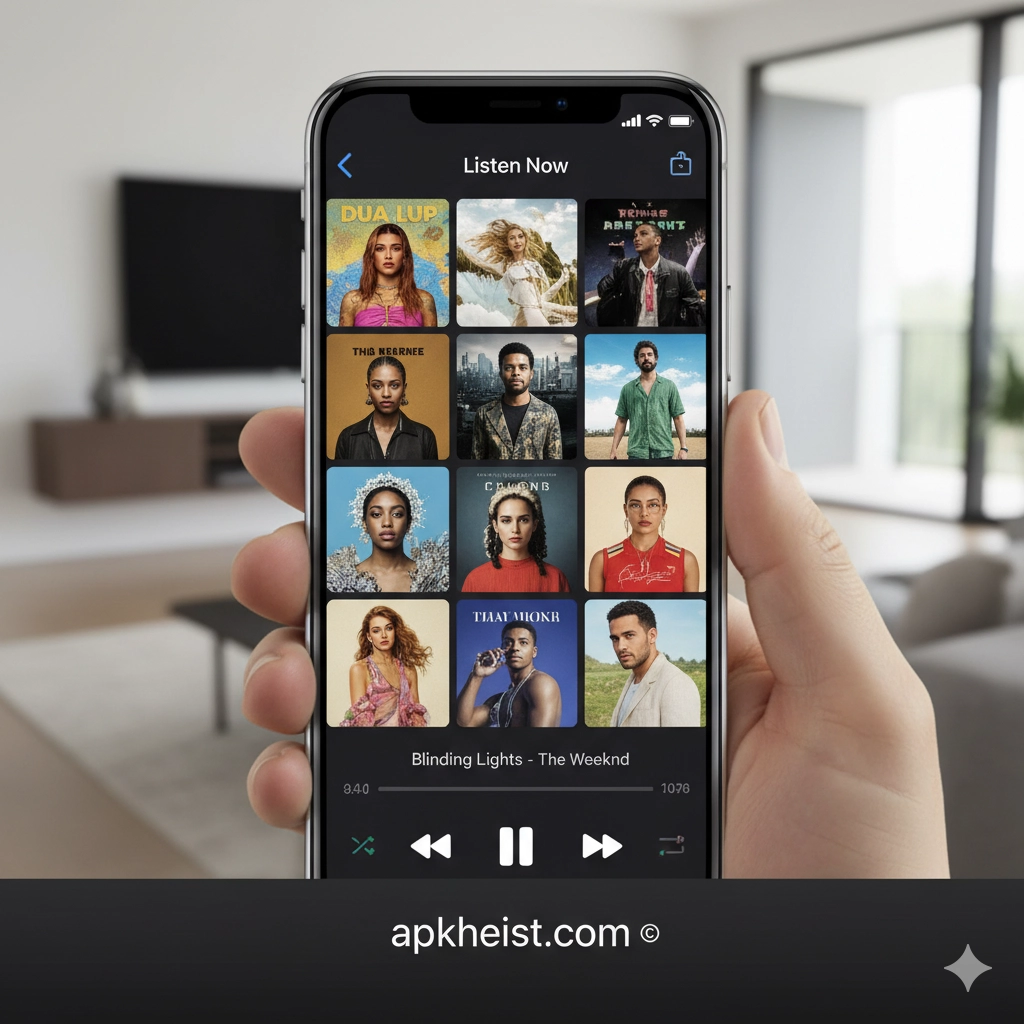
One of the defining strengths of the Apple Music App is its personalized discovery engine. By analyzing listening habits, skipped tracks, saved albums, and user interactions, the app curates playlists such as “Listen Now” and “Favorites Mix.” This approach mirrors the strategic intelligence seen in advanced entertainment platforms, similar to how competitive titles discussed in NBA 2K25 MyTEAM Games use data-driven personalization to retain users. Apple Music balances algorithmic efficiency with human-curated playlists to avoid repetitive or predictable results.
3. Lossless Audio and Spatial Sound Technology
The Apple Music App has raised industry standards by introducing Lossless Audio and Spatial Audio with Dolby Atmos. These technologies allow listeners to experience studio-quality sound and multidimensional audio depth using compatible devices. This commitment to audio fidelity differentiates Apple Music from conventional streaming services and aligns it more closely with professional-grade listening tools. For users who value sound precision, this feature alone repositions Apple Music beyond a casual streaming app.

4. Offline Listening and Cross-Device Sync
Offline downloads enable uninterrupted listening regardless of connectivity, making the Apple Music App ideal for travel, commuting, and remote environments. Through iCloud synchronization, playlists, listening history, and preferences remain consistent across devices. This ecosystem-level integration reflects Apple’s broader productivity philosophy, comparable to how structured platforms in Tools or Productivity categories prioritize continuity and efficiency.
5. Apple Music App vs Traditional Music Player Apps
Unlike standalone MP3 players or lightweight audio apps, the Apple Music App delivers a subscription-based, constantly updated experience. While traditional players focus on local files, Apple Music emphasizes discovery, cloud-based access, and exclusive content. Users who previously relied on apps similar to Music Player & MP3 - DDMusic App often transition to Apple Music for its seamless blend of convenience, quality, and content diversity.
Frequently Asked Questions About Apple Music App
What makes the Apple Music App different from other streaming services?
The Apple Music App combines high-fidelity audio, exclusive content, and deep ecosystem integration, offering a more curated and premium listening experience.
Can the Apple Music App be used offline?
Yes, users can download songs, albums, and playlists for offline playback, ensuring access without an internet connection.
Is Apple Music suitable for non-Apple devices?
While optimized for Apple hardware, the Apple Music App is also available on Android and web platforms, maintaining core features across environments.
Does Apple Music support lyrics and live radio?
Yes, the app provides real-time lyrics, artist commentary, and live global radio stations, enhancing engagement beyond passive listening.
Who should consider using the Apple Music App?
Apple Music is ideal for users who value audio quality, curated discovery, and seamless device integration within a modern digital lifestyle.